

Wesley David
Identity Performing Arts' Fifth Anniversary Gala: Movement That Keeps Becoming
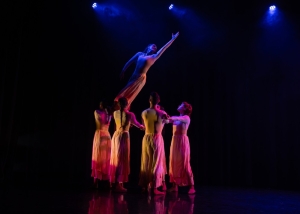
Five years is an important milestone for any arts organization, but for a contemporary dance company it also marks an artistic coming of age. Identity Performing Arts celebrated its fifth anniversary at the Edlis Neeson Theater at the Museum of Contemporary Art with a program of three works - Enliven, Muted, and the premiere of Untitled Identity - that reflected both how far the Chicago-based company has come and where it is headed.
Founded as an organization dedicated to dance education, Identity Performing Arts transitioned into a full-season contemporary dance company in 2021, presenting its inaugural live concert that fall. This anniversary gala demonstrated how that evolution has expanded into a confident repertory of original work.
I had the privilege of sitting with Rehearsal Director Mollyanne Nunn during the performance, and her insights helped me better understand what I was seeing. Contemporary dance often communicates through gesture rather than narrative, and Nunn's perspective revealed how intention, relationships, and emotional shifts were woven into the choreography.
The afternoon opened with Enliven, choreographed by Founder and Artistic Director Ginny Ching-Yin Lo, a vibrant celebration of energy in motion that blends Eastern and Western artistic influences. Performed by a nine-member ensemble, the piece moved effortlessly through an eclectic musical landscape, from delicate instrumental passages to expansive contemporary compositions.
What stood out was the company's sense of connection. Rather than presenting individual showcases, the dancers created a shared momentum, with movement passing organically from one performer to another. It was easy to see why this work earned a place at the 2024 Seattle International Dance Festival.
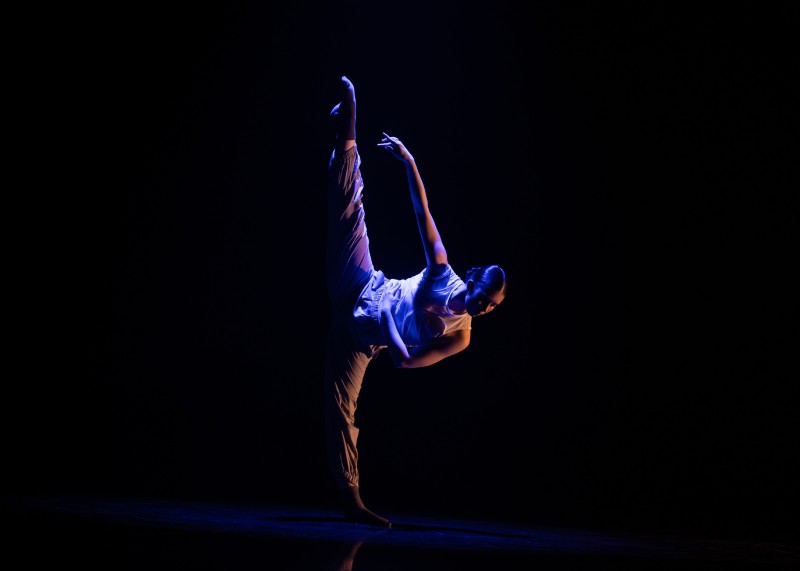
Identity Performing Arts in Muted. Photo by Peter Hinsdale.
The mood shifted dramatically with Muted, Lo's deeply personal exploration of silence and communication. The work examines what it means to be muted, to silence another person, and to experience connections that exist beyond words.
The seven dancers gave physical form to emotions that are difficult to articulate. Gestures of distance, hesitation, and reconciliation suggested that our most significant conversations often happen without speech. The score, culminating in a reimagining of Samuel Barber's Adagio for Strings, reinforced the work's emotional weight without overwhelming it.
The evening concluded with Untitled Identity, the program's premiere and its most ambitious work. Featuring a twelve-member cast, the piece explores how identity continually shifts between our inner understanding of ourselves, and the perceptions imposed by others.
The expanded ensemble created striking visual patterns, while cinematography by Cem Koc, visual effects by Simon Parfrement, and Hannah Wien's expressive lighting design gave the performance an added theatrical dimension. The varied musical score carried the dancers through moments of tension, release, and transformation, suggesting that identity is never static but always evolving.
Seen together, the three works formed a thoughtful progression - from celebration to introspection to self-discovery. Lo's choreography provided a consistent artistic voice while allowing each piece to inhabit its own emotional landscape.
Anniversary galas often look backward, celebrating past accomplishments. Identity Performing Arts chose instead to use the occasion to look forward. By pairing established works with a compelling premiere, the company demonstrated that its greatest strength is not simply what it has already created, but its continued willingness to explore new ideas through movement.
Five years after becoming a full-season contemporary dance company, Identity Performing Arts has found a distinctive voice. This gala made one thing clear: like the identities it explores, the company remains beautifully in motion.
Goodman's Dead Girl’s Quinceañera: When Fifteen Meets the Adult World
At fifteen, the world can feel like a television show you haven't quite figured out how to turn off.
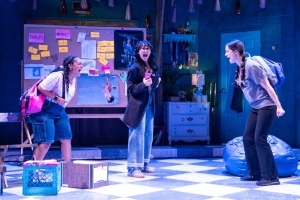
For Salma (Jacqueline Guillen), it may be even more difficult. She watches too much television—especially detective shows—and has begun to see the world through the eyes of a detective. So when Maria (Andrea Ferro) disappears, Salma doesn't simply wonder where her friend is. She decides to investigate.
She recruits Este (Carmen Berkeley) and Phoebe (Ariana Burks) to help her find Maria, and Phanèsia Pharel's Dead Girl's Quinceañera takes off from there.
Produced by Goodman Theatre in association with Chicago Latino Theater Alliance, the production is a collective World Premiere with Barrington Stage Company and Hartford Stage. Directed by Melia Bensussen, the play has at times the quick-cut energy of the procedural television shows that inspired Pharel when she originally conceived the work.
And it moves fast.
Very fast.
Pharel understands the language of fifteen-year-old girls—the rapid-fire speech, the sudden shifts in thought, the jokes that arrive in the middle of serious conversations and the ability to move from one subject to another without warning. These girls don't simply talk; they process.
And Salma processes everything like a detective.
Television has given her a vocabulary for understanding crime, clues and suspects. She has watched enough procedural television shows to believe she knows how an investigation works. There is something funny about her confidence, but there is also something unsettling about it. For all the light-heartedness there’s an air that something isn’t right.
Pharel wisely doesn't allow that danger to become the only thing we see. The girls joke, argue, tease one another and behave like fifteen-year-olds. Their humor is genuine, but it also creates an increasingly uneasy contrast with what may be happening beyond their immediate world.
That contrast gives the play its darker edge.
The girls are dealing with situations that are far more adult than they are. Salma's television education has taught her that mysteries have clues and crimes have solutions. But real life doesn't necessarily follow the rules of a television show.
The four girls come from distinctly different cultural backgrounds. Salma is Cuban, Este is Salvadorian, Phoebe is Dominican/Haitian, and her cousin Maria is Dominican. Their different cultural experiences shape their ideas about family, friendship, behavior and what it means to grow up American, while their interactions allow Pharel to explore questions of identity, belonging and how young people see one another across economic and cultural lines. Yet they share something equally important: they are all approximately fifteen years old, and they are all American.
Pharel doesn't present Latino identity as one uniform experience. Instead, she allows the girls' differences to shape their relationships and their understanding of the world. They are negotiating family expectations, cultural identity and American teenage life simultaneously.
Dead Girl’s Quinceañera is ambitious, culturally layered and unapologetically youthful. Pharel gives us four girls who may come from different places, but who share the complicated experience of growing up American while carrying the histories, expectations and family secrets that shape who they are. As those secrets begin to surface, friendship is tested, identities are questioned, and the girls are forced to confront realities far beyond their years.
Ultimately, this is a play about friendship, identity and agency—and about young women discovering that sometimes the most important story is the one they have the courage to uncover for themselves.
RECOMMENDED
When: Through Nov. 1 (Extended through November 8th!)
Where: Goodman Theatre, 170 N. Dearborn St.
Tickets: $34-$79
Info: www.goodmantheatre.org
Box Office: 312-443-3800
Steppenwolf’s Topdog/Underdog: When History Deals the Cards
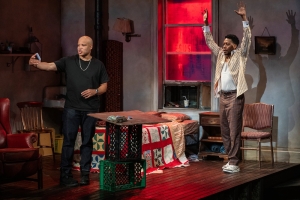
Susan-Lori Parks’ Topdog/Underdog, the Pulitzer Prize-winning masterpiece, is the kind of play that changes depending on when—and how many times—you see it. Directed by Kenny Leon, this revival stars Tony nominee Glenn Davis as Lincoln and Namir Smallwood as Booth, two brothers whose names alone tell us that Parks is preparing to play a very dangerous game with her audience.
The play was originally produced in Chicago by Steppenwolf Theatre Company in 2003, directed by ensemble member Amy Morton, with ensemble member K. Todd Freeman as Booth and David Rainey as Lincoln. More than two decades later, this revival demonstrates just how much material Parks packed into the story of two brothers living on the edge of survival.
Parks begins her own version of Three-Card Monte by giving us the names Lincoln and Booth. We already know the historical ending: John Wilkes Booth assassinated Abraham Lincoln. Parks puts that card on the table immediately—and then spends the rest of the play moving it around.
Lincoln and Booth are not historical figures, of course, but the names become a psychological trap. Lincoln works as an Abraham Lincoln impersonator, repeatedly allowing strangers to “assassinate” him as part of the act. The brothers themselves simulate the murder, turning history into performance and performance into something increasingly dangerous.
That is where Parks’ Three-Card Monte becomes so effective. We know the card. We know what is coming. Yet Parks keeps moving our attention elsewhere—to money, women, abandonment, brotherly rivalry, masculinity and the desperate need to survive. The audience is watching closely, thinking we know exactly where Parks is going. But like the mark in a Three-Card Monte game, we can never be completely sure which card we are actually watching.
The brilliance is that Parks gives us the ending and still manages to create suspense.
The question isn't simply, “Will Booth kill Lincoln?” We already know that story. Instead, Parks asks us to consider how and why these two brothers arrive at that moment. By the time the real gun is fired, we have become so invested in these men that the historical inevitability becomes a genuine emotional shock.
Having seen Topdog/Underdog several times, I’ve gained new insight into Lincoln and Booth with each production. I’ve always imagined these brothers as relatively young men—perhaps somewhere between 21 and 35 at the oldest. There is something about their desperation, their dreams and their constant jockeying for position that feels connected to men still trying to figure out who they are.
Seeing older actors inhabit these roles changes the equation. This production brings a greater sense of history and introspection to Lincoln and Booth. These aren't simply two young men making bad decisions. They feel like men who have accumulated years of disappointment, mistakes and missed opportunities. Their arguments have the weight of history behind them.
That being said, the acting is first-rate.
Glenn Davis delivers some of the best work I have seen in his storied career. His Lincoln carries weariness beneath the humor, as though every card trick, every performance and every attempt to maintain dignity has taken something from him. Davis understands that Lincoln is not simply trying to make a living; he is trying to hold onto an identity.
There is an extraordinary sadness to his Lincoln because he has found a way to make a living by pretending to be someone who, historically, has already been dead for generations. Every night he puts on the stovepipe hat, becomes Abraham Lincoln and allows strangers to reenact his assassination. The joke is that he survives the murder every night—until, of course, the night he doesn't.
Namir Smallwood is equally compelling as Booth. Smallwood has the remarkable ability to morph into whatever character is placed before him, and here he creates a Booth whose swagger and insecurity exist simultaneously. Booth wants to be seen, respected and successful, but beneath that ambition is a brother desperate to prove himself.
Their relationship is the heart of the play. They love each other, resent each other, depend on each other and compete with each other. They are simultaneously brothers and adversaries. One minute they can make each other laugh; the next, they are fighting over money, women or the invisible scorecard of who has accomplished more.
Arnulfo Maldonado’s set—a room in a New York City boarding house—captures the basic circumstances of their existence, but for me, it is far too sanitized for the gritty New York City world Parks has created.
Rooms like this were common, particularly in neighborhoods such as Hell’s Kitchen. They were tight. Space was at a premium. They were not necessarily neat or clean. These were places where people lived because they had few alternatives. The room should feel less like a place where two men are actually struggling to survive.
That distinction matters because Lincoln and Booth are in survival mode. The room is not simply their home; it is a pressure cooker. Every inch of space should remind us that there is nowhere for these brothers to escape—not from each other, not from their past and ultimately not from the consequences of their choices.
Kenny Leon's direction keeps the focus where it belongs: on two brothers trapped between history, memory and survival. He allows Parks' language, humor and repetitions to accumulate rather than rushing toward the inevitable conclusion.
Ultimately, Topdog/Underdog remains a remarkable piece of American theatre because Parks refuses to let history stay in the past. She takes two names everybody recognizes, places them on two Black brothers living in New York, and transforms a familiar historical tragedy into an intimate story about family, survival, masculinity and fate.
We may enter the theatre believing we know who Lincoln and Booth are and how their story ends. But Parks makes us see them as brothers first—two men desperately trying to survive each other, their circumstances and the histories they have inherited.
By the time the final card is played, the tragedy is no longer about Abraham Lincoln and John Wilkes Booth. It belongs entirely to these two brothers. And that is Parks’ greatest trick: she makes us think we are watching history repeat itself, when what we are really watching is the heartbreaking collapse of an American family.
Highly Recommended
When: Through Nov. 1
Where: Steppenwolf Theatre, 1650 N. Halsted St.
Running time: 2.5 hours (15 minute intermission)
Tickets: $20 -$142.50
312-335-1650
Detroit ’67: A Basement Becomes a City on the Brink
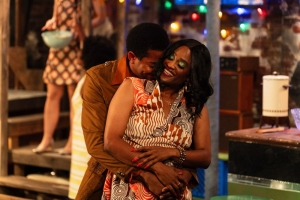
Detroit was burning in the summer of 1967, inside one basement, life was still going on.
That contrast is at the heart of Dominique Morisseau’s Detroit ’67, now being produced by Pulse Theatre Company in residence at eta Creative Arts Foundation. Directed by Pulse Executive Artistic Director Aaron Reese Boseman, with assistance from the wonderful AnJi White, the production takes us into the lives of people trying to maintain some sense of normalcy as their city moves toward upheaval.
The summer of 1967 was a year of enormous social and political upheaval. Detroit’s Black community was confronting racial discrimination, police brutality and economic inequality while the city was experiencing major changes in population, industry and employment.
Then came July 23.
A police raid on an after-hours establishment on Detroit’s 12th Street ignited five days of unrest. The uprising reflected longstanding tensions involving racial discrimination, police-community relations, economic inequality and the changing landscape of the city. Forty-three people died, hundreds were injured, thousands were arrested, and buildings throughout Detroit were destroyed or damaged.
Yet Morisseau doesn't put the uprising on display for us.
Instead, she puts us in a basement and allows us to listen to the people who have something to lose.
And what a basement it is.
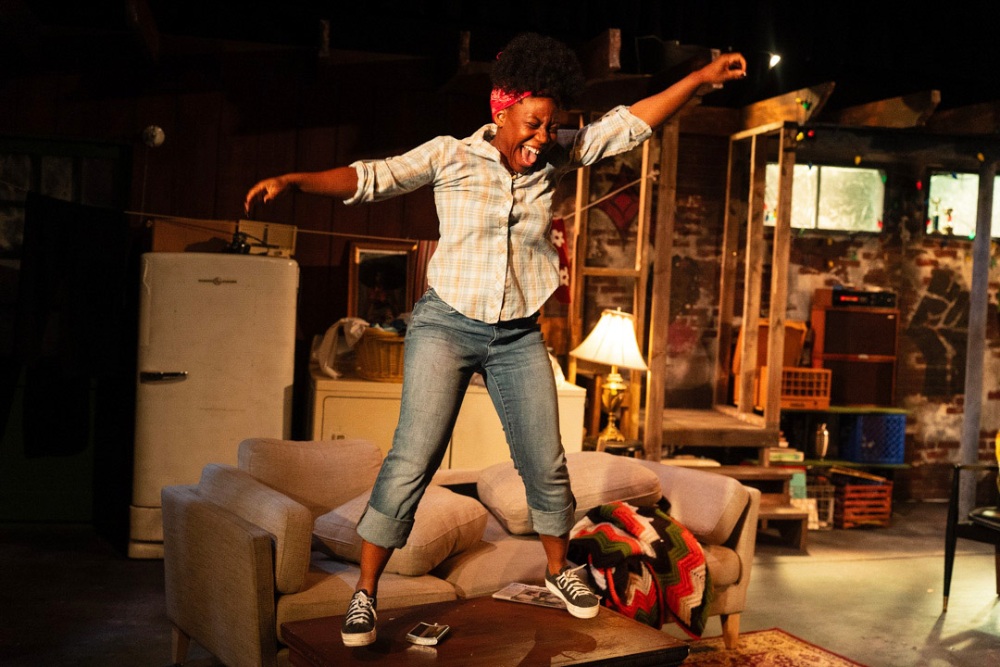
Photo Credit: Aaron Reese Boseman
Kevin M. Rolfs has created a remarkably realistic environment for this after-hours joint. An old washer and dryer, a well-used sofa, a period bar, scraps of wood and exposed beams make the space feel genuinely lived in rather than simply designed. Look around and you will find virtually everything you would expect in a 1960s Detroit basement.
Rolfs has proven himself a master designer, and this is among his best work.
Levi J. Wilkins’ lighting design is equally impressive. The basement does not exist in isolation. Light from outside constantly reminds us that another world is happening beyond those walls. The working fixtures inside, combined with changing light through the windows, establish the passage of time with remarkable precision.
Together with Warren Levon’s sound design, Terri Devine’s period-perfect costumes, and Rueben Echoles’ hair and makeup, the production creates an immersive portrait of 1967 Detroit. The design team doesn’t simply tell us we are in Detroit in 1967—they make us feel that we are there.
To say the ensemble is outstanding would be an understatement.
Shenise Danyel, whom I vividly remember as the maid in Invictus Theatre’s The House That Will Not Stand, is exceptional as Chelle, the level-headed sister whose strength anchors the household.
Tamarus Harvell another exceptional actor, plays Lank, a recent Vietnam veteran carrying dreams and the complicated weight of returning home from war. His presence reflects another reality of 1967: America was deeply immersed in Vietnam, with young men—including many Black and working-class men—being drafted into military service.
Jimiece Gilbert brings confidence and energy to Bunny, the best friend who knows exactly who she is.
Emma Jean Eastlund plays Caroline, a woman carrying secrets beneath the surface.
And then there is Dairyon Bolden as Sly.
Bolden was the biggest surprise for me. He is a genuine scene stealer, commanding every moment he occupies. That is no small accomplishment with a cast of this caliber. Bolden understands that commanding a scene does not necessarily mean being the loudest person in it. His choices are specific, confident and compelling.
Boseman’s direction brings the emotional life of Morisseau’s play to the surface without forcing it. The pacing is deliberate, and his decision to avoid blackouts between scenes works particularly well. The scenes roll smoothly into one another, creating the sense that life in this basement simply continues. There is no interruption between one emotional moment and the next. The outside world may be changing dramatically, but inside this basement, people still have to live, love, argue, dream and make decisions.
That contrast becomes one of the production’s greatest strengths.
The audience knows what is happening outside. The characters know what is happening outside. Yet the basement remains a place of refuge, business, friendship and possibility.
And that makes the history feel personal.
Detroit ’67 is ultimately about much more than an uprising. Through Morisseau’s writing, it becomes a story about people trying to hold onto one another while the world around them changes. The historical events give the play its pressure, but the characters give it its heart.
Pulse Theatre Company’s 2026–27 season is dedicated to examining Black life, family, memory and mental health across generations. Beginning with Detroit ’67, the company has established a compelling foundation for that exploration.
For Pulse Theatre Company, Detroit ’67 is not simply a production about 1967.
It is a reminder that history lives in rooms, in families, in memories—and sometimes, in a basement where the outside world is beginning to burn.
Highly Recommended
When: Through Nov. 1
Monday, Friday & Saturday 7:30pm
Saturday & Sunday 3:00pm
Where: eta Creative Arts Foundation 7558 S. Chicago Ave. Chicago, Ill.
Running time: 2 hours, 30 mins.
Tickets: $25-$40
(872)306-5734
Chicago Shakes' Play On!: With a Syncopated Harlem Beat
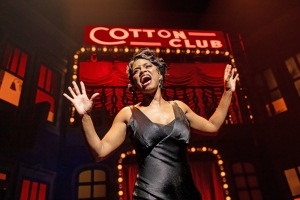
There are some productions you watch, and then there are productions that make your heart swoon and your toe tap. Sheldon Epps’ Play On! is definitely the latter. Now playing at Chicago Shakespeare Theater, this exuberant musical takes Shakespeare’s Twelfth Night, moves it to 1930s Harlem, adds the extraordinary music of Duke Ellington, and transforms the story into a celebration of love, ambition, identity and music.
The magical kingdom of Illyria becomes Harlem, where aspiring songwriter Vy (Hailee Kaleem Wright) arrives with dreams of making it in show business. To get close to the legendary bandleader known as The Duke (Edred Utomi), Vy disguises herself as a man. Complications quickly follow when Lady Liv (Krystal Joy Brown) becomes attracted to Vy's alter ego. Shakespeare's mistaken identities remain at the heart of the story, but Cheryl L. West's book gives the familiar comedy a distinctly African American cultural identity.
West's script is hot and popping, filled with rhythm, humor and personality. She understands that the language of Shakespeare can be transformed without losing the comic machinery that makes Twelfth Night work. The characters may come from Shakespeare, but they walk, talk and move to the syncopated Harlem beat of the 1930s.
And that Harlem beat is everywhere.
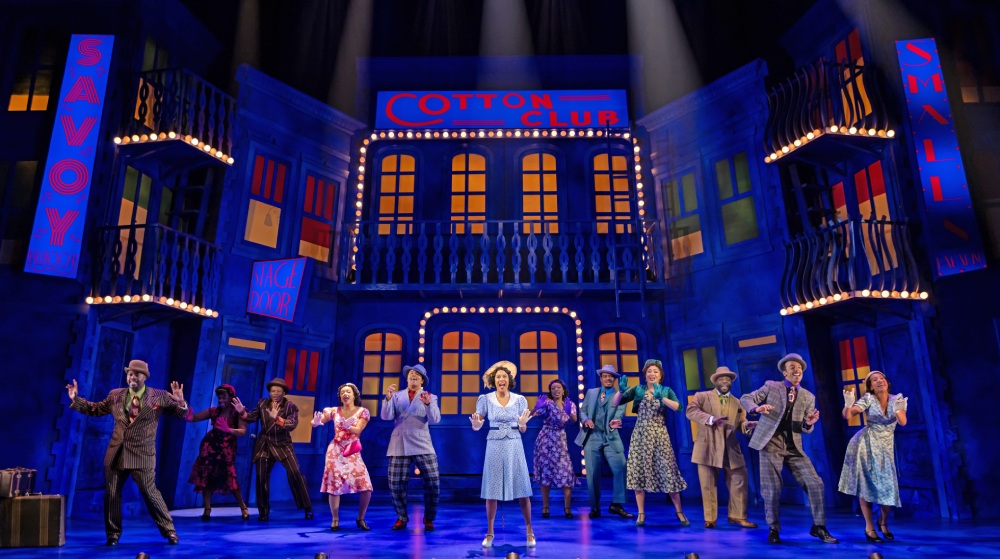
The company of Chicago Shakespeare’s production of Play On! Photo by Kyle Flubacker.
The production's exciting choreography by Edgar Godineaux captures the elegance, sophistication and exuberance of the big-band era. The ensemble - Marquez Linder, Selena Robinson, Dylan C. Smith, Joey Stone, Shelbi Voss and Danny Dwaine Wells II - keeps the stage alive with movement and energy. The choreography doesn't simply accompany the music; it becomes part of the storytelling.
The Duke Ellington score is the production's heartbeat. Under the musical direction of Theodis Rodgers Jr., with beautiful orchestrations by Luther Henderson Jr., the music has both sophistication and swing. Ellington's compositions give the characters another way to express what they sometimes cannot say in words.
For me, the Harlem setting brought back a very personal theatrical memory. Play On! reminded me of the very first show I ever worked on, Bubbling Brown Sugar by Loften Mitchell, from a concept by Rosetta LeNoire (my theatre Godmother), in New York City. That experience introduced me to the power of Black theatre, music and storytelling existing together onstage. Watching Play On! brought some of that same feeling back—the excitement of seeing Black history, Black music and Black theatrical expression become one living theatrical experience.
That connection makes Play On! particularly meaningful. This isn't simply Shakespeare with jazz added to it. It is a conversation between William Shakespeare and Duke Ellington, two artists separated by centuries but connected through their understanding of human behavior, love, comedy and the power of performance.
The cast embraces that world beautifully. James Earl Jones II brings comic energy and warmth to Sweets, while Alanna Lovely gives Miss Mary a strong and engaging presence. James Harkness brings charm and theatricality to Jester. Alan H. Green gives Rev authority and comic flair.
At the center, Wright's Vy captures the vulnerability and determination of a young artist trying to discover who she is and where she belongs. Brown's Lady Liv brings glamour and emotional power, while Utomi's Duke possesses the commanding presence of a bandleader who has created his own musical kingdom.
Epps understands that the success of Play On! depends upon allowing Shakespeare's story and Ellington's music to breathe together. The result is a production that feels celebratory without becoming superficial, and contemporary without abandoning its literary foundation.
Play On! is Shakespeare filtered through the cultural richness of 1930s Harlem, propelled by Duke Ellington's music and driven by a syncopated Harlem beat.
It is a joyous reminder that great stories can travel across centuries - and sometimes, when the right music is added, they can still make us want to dance.
Highly Recommended
When: Through Oct. 18
Where: The Yard at Chicago Shakespeare Theater on Navy Pier, 800 E. Grand Ave.
Running time: 2 hours, 20 mins.
Tickets: $55-150
312-595-5600
- Play On
- Musical theatre
- Sheldon Epps
- Chicago Shakespeare Theater
- Chicago Shakes
- Duke Ellington
- Shakespeare
- Harlem
- Hailee Kaleem Wright
- Edred Utomi
- Krystal Joy Brown
- Cheryl L West
- African American
- Twelfth Night
- Edgar Godineaux
- Luther Henderson Jr
- Theodis Rodgers Jr
- live theatre
- on stage
- Chicago events
- chicago theatre
Definition's How We Got On: A Mixtape for the Stage
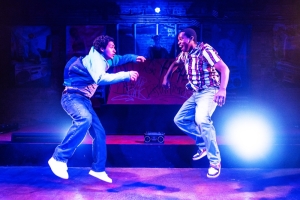
What happens when three young people discover hip-hop and realize they might have something to say? Idris Goodwin’s How We Got On, directed by Definition Theatre Artistic Director Tyrone Phillips, answers that question with rhythm, humor, attitude and plenty of heart. Think of it as a mixtape for the stage - a collection of voices, beats, dreams and memories that takes us back to the 1980s, when hip-hop was still growing and figuring out what it could become.
Jamal Turner’s Hank is ambitious, curious and hungry to find his place. He’s a young guy who discovers that writing rhymes gives him a voice and a way to express what he may not always be able to say out loud. Turner makes Hank likable, funny and real. You can see the excitement in him as he begins to realize that maybe he has something special.
Tony Garcia’s Julian brings a completely different flavor. He is confident, competitive and determined to prove himself. Garcia gives Julian plenty of swagger, but there is vulnerability underneath it. His chemistry with Turner makes their friendship and competition fun to watch.
And then there’s Luann, played by Anuoluwa T. Awolola. Luann is a talented rapper who has almost everything under control. She has the confidence, the skills and the flow. Her one problem is that she’s a girl trying to make it in a male-dominated hip-hop world. Awolola gives Luann the confidence of someone who knows exactly what she can do - and isn’t waiting for anyone’s permission to do it.
Maya Vinice Prentiss is a standout as the Selector, shifting effortlessly between narrator, DJ and several different characters. She is our guide through this musical journey, constantly reminding us that this isn’t just a story being told - it’s a story being spun.
Sydney Lynn Thomas’s set design gets the vibe right from the start. A wall filled with different beatboxes immediately transports us into the world of early hip-hop. It feels like walking into someone’s bedroom, record shop or neighborhood hangout where the next great track might be created.
Adding another visual dimension is Chicago artist John Vergara’s art installation. His colorful work, influenced by graffiti, portraiture and Chicago’s street culture, fits naturally alongside the production’s celebration of hip-hop and self-expression.
The show does have some pacing issues. There are moments when the energy drops, but once the rhythm kicks back in, How We Got On is hard not to enjoy.
This is a mixtape for the stage - a lively blend of music, memories, friendship and youthful ambition. It reminds us that before hip-hop became a worldwide cultural force, it was young people with something to say, a beat to work with and the courage to get on the mic.
RECOMMENDED
When: through September 27th
Where: Definition Theatre@55th, 1160 E. 55th Street., Chicago, Il.
Running time: 90 minutes no intermission
Tickets: Start at $25
312-469-0390
ETA’s for colored girls Honors the Enduring Power of Ntozake Shange
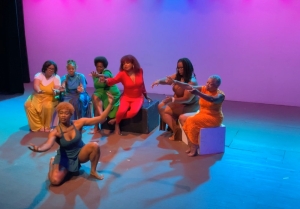
Nearly fifty years after its groundbreaking premiere, Ntozake Shange's for colored girls who have considered suicide / when the rainbow is enuf remains one of the most important works ever written for the American stage. Neither conventional play nor musical, Shange called her work a "choreopoem," a seamless fusion of poetry, dance, music, and theatrical ritual that forever changed the landscape of Black theatre.
When the work premiered in 1976 it shattered theatrical conventions. The original production gave Black women something rarely afforded on the American stage: the authority to tell their own stories without apology, through language that was lyrical, raw, sensual, political, and deeply personal. At a time when Black women were often relegated to supporting roles in theatre, Shange centered their voices, their pain, their joy, and ultimately, their survival. The production earned multiple Tony Award nominations and cemented itself as a cornerstone of the American theatrical canon.
Its relevance today is perhaps even more striking. In an era shaped by conversations surrounding gender-based violence, mental health, reproductive autonomy, identity, and the ongoing struggle for Black women to be fully seen and heard, Shange's words continue to resonate with astonishing clarity. The emotional truths embedded in her poetry refuse to age.
ETA Creative Arts Foundation's production, directed by Donn Carl Harper, wisely understands that the strength of for colored girls lies in trusting Shange's language. Harper resists the temptation to over-direct or impose unnecessary concepts upon the material. His direction is careful, respectful, and largely unobtrusive, allowing the poetry to remain the undeniable centerpiece.
The production, however, begins on an unfortunate note. Opening night started approximately thirty minutes late, a delay that inevitably affected the audience's energy. Compounding that issue was the decision to open with Nina Simone's haunting "Four Women." While Simone's anthem is unquestionably a masterpiece and shares thematic kinship with Shange's work, its placement here felt somewhat gratuitous. After already waiting half an hour, the audience was asked to spend another five minutes listening to a recorded song while nothing occurred onstage. Rather than heightening anticipation, the extended prelude tested the audience's patience before the choreopoem had the opportunity to speak for itself.
Once the production settles into Shange's text, however, it finds its rhythm.
Levi Wilkins' abstract scenic design provides an uncluttered visual landscape that allows the performers to inhabit both literal and emotional spaces. His lighting effectively supports the shifting moods of the evening, although both scenic and lighting concepts occasionally seem content to complement the material rather than challenge it. Given the limitless theatrical possibilities inherent in a choreopoem, I wish he would have made bolder visual choices that embrace the work's dreamlike qualities.
Markene Peavy's costume designs honor the play's iconic color symbolism, a safe choice, but it doesn't distinguish each woman as individuals, a missed opportunity. Peavy's choreography becomes the production's most compelling storytelling device. Rather than serving as decorative movement between monologues, the choreography extends Shange's language into the body, allowing emotion to continue flowing.
Among the ensemble, Madison Savannah (Lady in Purple) emerges as an exceptional physical storyteller. Her dancing possesses remarkable precision, grace, and emotional transparency, making every movement feel deeply connected to the poetry. She consistently commands attention without disrupting the ensemble's collective balance.
The performances throughout demonstrate a clear understanding that these women are not individual characters so much as facets of a shared experience.
Tina Marie (Lady in Red) delivers her poetry with commanding authority and emotional maturity. Margo Harper (Lady in Blue) brings quiet dignity and introspection, while Deborah Ross (Lady in Green) grounds her moments with warmth and humanity. Tracey Renee (Lady in Orange) finds welcome humor amid the heartbreak, providing necessary moments of emotional release. L.A. Holts (Lady in Yellow) infuses her work with youthful vitality and infectious spirit. Kennedi Coleman (Lady in Brown) offers moments of thoughtful restraint that contribute beautifully to the ensemble's collective voice.
Opening night also presented an increasingly familiar frustration that falls outside the production itself but nonetheless affected the theatrical experience. The persistent glow of cell phones and repeated audience distractions proved difficult to ignore. Theatre remains one of the few art forms built upon a shared agreement between artists and audience to be fully present in the moment. When that agreement is repeatedly broken, everyone in the room loses something.
Even with its uneven opening and a few missed opportunities for greater theatrical imagination,
ETA's production succeeds where it matters most: it trusts Shange.
That trust is ultimately enough.
Nearly fifty years after its premiere, for colored girls who have considered suicide / when the rainbow Is enuf continues to remind audiences that Black women's stories are not peripheral to the American experience - they are central to it. Their pain, laughter, sensuality, vulnerability, resilience, and joy remain as urgent today as they were in 1976.
Shange did more than write a play. She created a language for survival.
ETA Creative Arts Foundation honors that legacy with sincerity, sensitivity, and respect, reminding us that some masterpieces require no reinvention- only artists willing to listen deeply enough to let them speak.
Recommended
When: thru August 31
Where: 7558 South Chicago Ave Chicago
Tickets: $30 - $50 general admission
- ETA
- ETA Creative Arts Foundation
- NTOZAKE SHANGE
- For Colored Girls
- for colored girls who have considered suicide when the rainbow is enuf
- Black theatre
- Donn Carl Harper
- Nina Simone
- Madison Savannah
- Tina Marie
- Margo Harper
- Deborah Ross
- Tracey Renee
- LA Holts
- Kennedi Coleman
- live theatre
- chicago theatre
- Chicago events
- on stage
- Chicago plays
- powerful plays
Chicago Shakespeare's Brokeback Mountain Soars

Some stories refuse to fade with time, and Brokeback Mountain is one of them. What began as a modest short story by Annie Proulx in The New Yorker in 1997 grew into an award-winning literary work, an acclaimed film, and now a deeply moving stage adaptation by Ashley Robinson at Chicago Shakespeare Theater. Under the assured direction of Jonathan Butterell, this production achieves something rare: it honors the source material while creating an emotionally overwhelming theatrical experience that stands on its own merits.
Proulx's story unfolds in 1963, in a world where homophobia was not merely accepted but embedded within the culture. In rural America, far removed from urban centers and decades before meaningful LGBTQ+ rights protections, Ennis Del Mar and Jack Twist find themselves trapped between the lives they are expected to live and the love they cannot deny. Although the story concludes in 1983, its themes remain startlingly relevant. The prejudice that shaped their lives has not disappeared; it has simply changed forms.
Butterell's direction is masterful. He understands that the power of Brokeback Mountain lies not in grand declarations but in silences, glances, and opportunities missed. Every scene is infused with aching restraint, allowing the audience to feel the enormous weight of what remains unspoken. The result is a production that slowly tightens its grip on the audience.
Harrison Ball delivers a remarkable performance as Ennis Del Mar, capturing the character's stoicism, fear, and buried longing with heartbreaking precision. Opposite him, Jack Cameron Kay gives Jack Twist an irresistible warmth and optimism, making his refusal to surrender to a life of secrecy all the more poignant. Together, the two actors create a chemistry so natural and compelling that the audience becomes deeply invested in every stolen moment they share.
The supporting cast is equally extraordinary. Cordelia Dewdney's Alma Del Mar is nothing short of revelatory. Dewdney charts Alma's transformation from a hopeful young wife into a woman forced to confront painful truths with astonishing emotional depth. Her performance is so finely calibrated, so emotionally authentic, that it feels destined for award recognition. Every look, every hesitation, every moment of heartbreak lands with devastating force. It is one of the finest performances currently on a Chicago stage.
Thomas Cox and Kat Eggleston excel in multiple roles, helping populate the world around Ennis and Jack with richly drawn characters. Eggleston's work as the Balladeer provides a haunting thread that runs through the production, giving voice to emotions the characters themselves cannot express.
Tom Pye's scenic and costume design is stunning in its simplicity. With minimal elements, he evokes the sweeping grandeur of Wyoming's mountains and the claustrophobic domestic spaces that confine the characters for much of their lives. The contrast is striking. On Brokeback Mountain, Ennis and Jack briefly experience freedom. Everywhere else, they are hemmed in by expectations, obligations, and fear. Sammi Grant's dialect coaching enriches the production, lending authenticity to the Wyoming accents and further immersing the audience in the world of the play.
What makes this production particularly resonant is its willingness to confront the societal forces that shaped Ennis and Jack's tragedy. The play never becomes didactic, yet it clearly illustrates how homophobia was reinforced by cultural institutions, including religious traditions and biblical interpretations that were frequently used to condemn same-sex relationships and enforce rigid definitions of masculinity. Whether through family expectations, community pressure, or appeals to religious authority, the message was clear: people like Ennis and Jack were expected to deny who they were. The production allows audiences to witness the devastating human cost of those beliefs without reducing its characters to symbols or political arguments.
Although Brokeback Mountain is not a musical, musical elements are woven seamlessly into the storytelling, becoming an emotional landscape of their own. Rather than interrupting the narrative, the ballads deepen it, expressing feelings that the characters are unable to articulate. Combined with the breathtaking visual and emotional scope of the production, the music helps transform the story into something more.
What is most impressive is how contemporary the play feels. Nearly forty years after the events depicted, Brokeback Mountain remains a cautionary tale about the consequences of intolerance and the lives damaged when love is forced into secrecy. Yet it is also a story of resilience, desire, and the human need for connection.
Chicago Shakespeare Theater has delivered one of the most powerful productions of the season. Under Jonathan Butterell's direction, every artistic element works in harmony to create an evening of theater that is both intimate and epic. It would not be surprising to see this production enjoy a future life beyond Chicago. The quality of the staging, the strength of the performances, and the universal appeal of the material suggest a production that could fare exceptionally well in New York and beyond.
Brokeback Mountain is theater at its finest—beautifully acted, exquisitely directed, emotionally devastating, and utterly unforgettable. It is not merely a revival of a story; it is a production that reminds us why stories like this continue to matter. And in Jonathan Butterell's hands, it soars.
Highly Recommended
Running Time: 90 minutes
When: Through June 28
Where: Chicago Shakespeare Theater 800 East Grand Avenue in Chicago
Tickets: $65 - $125
Box Office: 312-595-5600
Info: www.chicagoshakes.com
This review is proudly shared with our friends at www.TheatreInChicago.com.
- Brokeback Mountain
- Chicago Shakespeare Theater
- Ashley Robinson
- Annie Proulx
- Jonathan Butterell
- LGBTQ
- Harrison Ball
- Jack Cameron Kay
- Cordelia Dewdney
- Thomas Cox
- Kat Eggleston
- Pride Month
- Heath Ledger
- Jake Gyllenhaal
- Tom Pye
- on stage
- live theatre
- chicago theatre
- Chicago events
- Chicago plays
- Now playing
keerah - Lost Between Myth and Reality

Definition Theatre's Amplify New Play Program exists to elevate emerging voices, and Netta Walker's keerah certainly arrives with ambition. Loosely inspired by the mythological lovers Orpheus and Eurydice, the play explores race, identity, love, and memory through the relationship between Ciara and Cormac. While the production benefits from strong performances and excellent design work, the script ultimately struggles to transform its compelling ideas into equally compelling drama.
The cast features Netta Walker as Ciara, Cat Christmas as Lucy, Beck Nolan as Cormac, and Jacob Coggeshall as Finn. Under the direction of McKenzie Chinn, the actors work tirelessly to bring depth and authenticity to the material. Walker and Nolan, in particular, share a natural chemistry that anchors the evening. Their relationship serves as a constant reminder of the play's potential. Even when the script falters, both actors remain committed to finding emotional truth in their characters.
The first act unfolds as something of a meandering exploration of youthful angst and attraction. While it establishes the emotional stakes, it often feels unfocused. The second act finds greater urgency but also becomes increasingly forced, pushing emotional revelations rather than allowing them to emerge organically. Although Walker draws inspiration from the story of Orpheus and Eurydice, these characters never achieve the mythic resonance suggested by that source material. In fact, despite the strong acting, Ciara and Cormac never fully emerge as people who exist beyond the play's thematic framework.
The central relationship also bears the weight of a nearly two-hour running time. Scene after scene dissects emotional wounds without revealing enough new dimensions to sustain the audience's investment. The result is a play that feels longer than it is, with the stakes remaining surprisingly low considering the intensity with which they are discussed.
More problematic is the play's handling of race and identity. At one point Cormac declares, "I'm not white, I'm Irish," a statement that hints at a potentially fascinating conversation about ethnicity and cultural identity. Unfortunately, the play never meaningfully explores the implications of that claim. Even more troubling is a scene in which Ciara opens a bottle of Hennessy and mutters a racial slur. Rather than illuminating character or advancing the narrative, the moment feels gratuitous and awkwardly inserted for shock value.
Fortunately, the production's design elements are consistently strong. Scenic Designer Isa Noe creates realistic environments that are immediately recognizable and lived-in. The restaurant where the women work, the city streets, and the bedroom scenes all feel authentic. Garrett Bell's lighting design beautifully supports the shifting moods of the play, while Costume Designer Janelle Smith outfits the characters in clothing that feels both realistic and specific. Sound Designer Aaron Harris Woodstein further enriches the atmosphere.
One leaves keerah admiring the effort more than the result. Definition Theatre has repeatedly demonstrated its ability to produce work of the highest caliber, and its commitment to developing new plays remains invaluable. While keerah contains moments of promise and is bolstered by a talented cast and creative team, it remains a work still searching for the emotional and thematic clarity that would allow its ideas to truly resonate.
Somewhat Recommended
When: Through June 28
Where: Definition Theatre @1160 E. 55th Street Chicago
Running Time 2 hours with a 15-minute intermission
Tickets: Start at $25
312-469-0390
https://www.definitiontheatre.org/shows/keerah
This review is proudly shared with our friends at www.TheatreInChicago.com.
'The Last Word' - A Cocktail of Comedy, Mystery, and Heart

Some theatrical experiences ask you to sit back and watch. "The Last Word" invites you to pull up a chair, have a cocktail, and tumble headfirst into a delightfully strange fever dream about life, death, friendship, and a very famous green liqueur.
Its title refers both to a classic cocktail and to the screenplay at the center of the evening, and the two become intertwined in ways that are clever, surprising, and ultimately moving. The story revolves around Chartreuse, the legendary French liqueur whose closely guarded recipe is known by only two monks at any given time. When Mike discovers one of those monks dying in the woods and is entrusted with the only known copy of the recipe, he faces an impossible choice: return it to the monastery or risk everything to preserve it himself.
Presented as a live screenplay reading, "The Last Word" (at the iO Theater on Kingsbury) cleverly blurs the line between stage play and film script. Plays are meant to be heard; screenplays are meant to be seen. It takes a special kind of theatrical imagination to make a screenplay reading compelling. Fortunately, this production understands that challenge and embraces it. Through lighting effects, sound design, music, and a constant sense of playful invention, the audience is encouraged to visualize the movie unfolding in their minds.
The evening begins with audience members seated around a long table draped in green, scripts spread out before them, and a bottle of Chartreuse placed prominently center stage like a sacred relic. As the cast settles in and begins reading, we gradually discover who these characters are and the wild journey ahead.
A great deal of credit belongs to host and narrator Declan Grogan, who guides the audience through the evening with infectious enthusiasm. Between the screenplay's four acts, Grogan pauses the action to introduce a specially crafted cocktail inspired by that portion of the story.
The first act is paired with a Chartreuse Swizzle, a bright tropical concoction made with gin, that eases the audience into the tale. The second act features a Green drink made with homemade herbal clove liqueur whose complexity mirrors the increasingly mysterious turns of the plot. A Bijou, rich and blood red, accompanies the third act as the story deepens and the stakes become more profound. Finally, the evening concludes with the iconic Last Word, the cocktail that inspired both the title and much of the play's thematic spirit. Grogan's descriptions are delivered with such enthusiasm and detail that even audience members unfamiliar with mixology may find themselves suddenly fascinated by botanical spirits, obscure liqueurs, and the mystical allure of Chartreuse itself.
The cast—James Cullinane, Rachel Thomas, Declan Grogan, Claire Glennon, Spencer Gallagher, Colleen Grogan, and Liam Mahon—fully commits to the material's offbeat humor and emotional sincerity. What initially appears to be an eccentric comedy gradually reveals deeper themes about mortality, legacy, and the connections we leave behind.
One of the evening's most unusual choices involves video montages featuring the loved ones of cast members speaking about their affection and appreciation for the cast member. At first, the device feels unexpected, even a little puzzling. Yet by the final scene, its purpose becomes crystal clear. The production's emotional threads suddenly converge, and what seemed odd earlier becomes genuinely beautiful.
In the end, "The Last Word" asks a deceptively simple question: We will all have a last word. What will yours be? The answer arrives not through grand speeches but through shared experiences, laughter, friendship, and perhaps a perfectly balanced cocktail. This is an inventive, heartfelt, and thoroughly unique theatrical experience that l have to experience again.
Highly Recommended
When: The Last Friday of the month - June 26, July 31, August 28
Where: iO Theater, 1501 N. Kingsbury St. Chicago
Tickets: $50 general admission (Drink Package)
$20 general admission designated driver
Info: https://www.thelastwordshow.com/
This review is proudly shared with our friends at www.TheatreInChicago.com.
Identity Performing Arts' Fifth Anniversary Gala: Movement That Keeps Becoming
19 October 2026 in Dance in ReviewFive years is an important milestone for any arts organization, but for a contemporary dance company it also marks an…

Overshadowed Theatrical Productions Brings Beloved Holiday Classic It’s a Wonderful Life to the Stage
18 October 2026 in Upcoming TheatreThis holiday season, Overshadowed Theatrical Productions is thrilled to present the timeless holiday classic, It’s a Wonderful Life, live on…
Dance Theatre of Harlem fills Auditorium Theatre with fire and funk
18 October 2026 in Dance in ReviewProjecting a vibe that felt more homecoming party than ballet presentation, Dance Theatre of Harlem returned to Chicago on October…
“A Strange Loop” Lets the Intrusive Thoughts Win at Raven Theatre in partnership with About Face Theatre
17 October 2026 in Theatre in ReviewA musical, but it’s just the voices in your head. Sounds just crazy enough to win the 2020 Pulitzer for…

Announcing Goodman's 22nd New Stages 2026 Festival Line-Up
15 October 2026 in Upcoming TheatreFrom a "Kung Fu rom-com" to a witchy new musical, The Goodman's popular New Stages Festival in its 22nd year continues…

TIMELINE THEATRE’S 100TH PRODUCTION, THE CHICAGO PREMIERE OF LAURA WADE’S HOME, I’M DARLING, DIRECTED BY MECHELLE MOE, SATIRIZES THE SEDUCTIVE FANTASY OF A “SIMPLER PAST,” NOVEMBER 11 - DECEMBER 13
14 October 2026 in Upcoming TheatreTimeLine Theatre’s 30th Anniversary Season at its new home in Uptown rolls merrily along in November with the company’s 100th…

Court Theatre announces America@250 - Now is the Time: Artists Go to Work
14 October 2026 in Theatre BuzzUnder the leadership of Marilyn F. Vitale Artistic Director Avery Willis Hoffman and Executive Director Angel Ysaguirre, Court Theatre proudly…
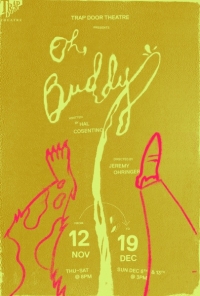
Trap Door Theatre Presents the World Premiere of OH, BUDDY, by Hal Cosentino. Opening November 12th, 2026
14 October 2026 in Upcoming TheatreTrap Door Theatre is thrilled to continue its 33rd season with a Chicago Premiere of Oh, Buddy, written by Hal…

Announcing the Cast of the 49th A CHRISTMAS CAROL
14 October 2026 in Upcoming TheatreTis the season, in spite of today's unseasonable temps, as A Christmas Carol begins rehearsals for The Goodman's 49th annual…

NOVA ENTERTAINMENT CURRENT AND UPCOMING 2026 CIRCA PINTIG UPDATES
14 October 2026 in Now PlayingNova Entertainment is pleased to announce the upcoming performance schedule and updates for CIRCA Pintig, with a visual rebrand and…
Steppenwolf Theatre Announces "ha ha ha ha ha ha ha" January 13 – February 7, 2027
14 October 2026 in Upcoming TheatreThe blurb is: hahahahahahahahahaha hahahahahahaha hihihi hahahahahahaha hoho hahahhahaha hehe hahahahahahahahahaha. Julia Masli's award-winning solo phenomenon ha ha ha ha…

'Sanctuary Stories' Ventures Into Emotional Drama Behind the News on Immigration
13 October 2026 in Theatre in ReviewSanctuary Stories plumbs the line between theater and journalism, and the powerful human dramas both can depict. Funded by a Northwestern…
Inside Six Strange Worlds: Exquisite Corpse VI: LULLABIES
13 October 2026 in Theatre in ReviewFor its sixth Halloween season, Rough House Theater Co. has transformed Steppenwolf’s Merle Reskin Garage into a spectacular puppet haunted…
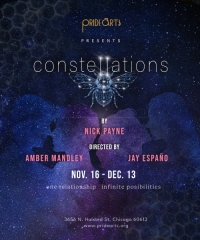
PrideArts announces cast and production teams for Nick Payne's CONSTELLATIONS, performed by alternating same-sex casts, November 13- December 13
12 October 2026 in Upcoming TheatreThursdays – Saturdays at 7:00 pm, Sundays at 3 pm Additional Saturday matinees at 3:00 pm on November 28 and December…
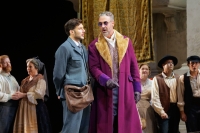
Robert Falls Directs a Sinfully Satisfying Don Giovanni at Lyric Opera of Chicago
11 October 2026 in Theatre in ReviewLet he without sin cast the first stone, Lyric’s “Don Giovanni” seemingly says when they bring up the house lights…

Teatro Vista Productions in collaboration with Audible presents Cafecito & Loops: A Mexodus Listening Tour Headed South Sundays, through November 1st
11 October 2026 in Now PlayingTeatro Vista Productions (TVP), the Midwest's only Latine-led Equity theatre company, in collaboration with Audible, presents Cafecito & Loops: A…
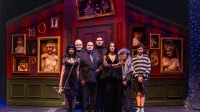
BrightSide’s Addams Family Musical Revives the Wonderfully Weird World of the Addams Clan
10 October 2026 in Theatre in ReviewThey're creepy and they're kooky, Mysterious and spooky, They're altogether ooky, The Addams Family. Yes, ooky. BrightSide Theatre’s production of…
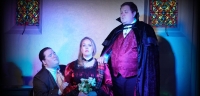
Chicago City Opera Delivers a Rare Operatic Haunting with Der Vampyr
08 October 2026 in Theatre in ReviewWith Halloween creeping closer, there’s something fitting about revisiting one of opera’s earliest flirtations with macabre horror - especially in…

Avalanche Theatre stages the world premiere of They Broke Up by Skyler Tarnas November 6–22, 2026
08 October 2026 in Upcoming TheatreAvalanche Theatre announces the world premiere production of They Broke Up by Chicago playwright Skyler Tarnas, November 6–22, 2026. Opening…

Oil Lamp Theater Announces the cast and creative team for the return of IT'S A WONDERFUL LIFE: A LIVE RADIO PLAY, Nov. 20 - Dec. 27
08 October 2026 in Upcoming TheatreOil Lamp Theater is proud to announce the cast and creative team for its next production and the final production…
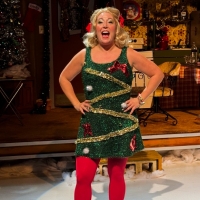
Adults-only holiday fun: Who's Holiday! brings R-rated Cindy-Lou Who back to Theater Wit for her sixth year, Nov. 27-Dec. 27
08 October 2026 in Upcoming TheatreChristmas Day is in our grasp. Why the vodka? Glad you asked! Who's Holiday! brings R-rated Cindy-Lou Who back to…
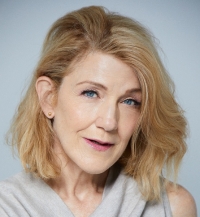
Two-Time Tony Award-Winning Actress Victoria Clark To Receive the Sarah Siddons Society Award at Annual Benefit on Monday, November 9, 2026
08 October 2026 in Theatre BuzzThe Sarah Siddons Society is pleased to present its 2026 Award to actress and director Victoria Clark, who recently starred…
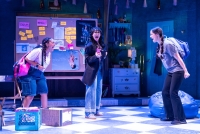
Goodman's Dead Girl’s Quinceañera: When Fifteen Meets the Adult World
07 October 2026 in Theatre in ReviewAt fifteen, the world can feel like a television show you haven't quite figured out how to turn off. For…

Steppenwolf Theatre's ADIRONDACK CHAIR CIRCLE In Rehearsal – Playing October 22 – December 6, 2026 – World Premiere!
07 October 2026 in Upcoming TheatreSteppenwolf Theatre Company, the nation's premier ensemble theater company, is pleased to launch its 51st Season with the world premiere of…
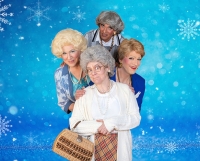
Hell in a Handbag Productions Announces 25th Anniversary Season!
07 October 2026 in Upcoming TheatreHell in a Handbag Productions is thrilled to announce its 25th Anniversary Season, featuring three "camptacular" shows guaranteed to delight lovers of…
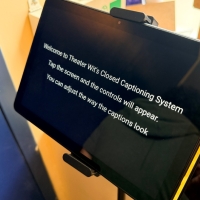
Chicago’s Theater Wit introduces new Watchword closed captioning system, dramatically improving access in all three of its theaters
07 October 2026 in Theatre BuzzChicago’s Theater Wit is now offering new, state-of-the-art closed captioning service, marking a dramatic improvement in making live theater more…

Paramount Theatre’s reimagined A Christmas Carol promises to be a dazzling new, all-ages spectacle for Chicago’s holiday theater season, November 11-January 3
07 October 2026 in Upcoming Theatre“God bless us, everyone,” because there’s a fresh, new, reimagined version of Charles Dickens’ classic tale A Christmas Carol debuting…
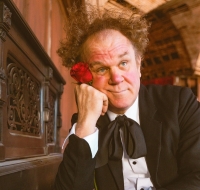
"John C. Reilly is Mister Romantic" Returns to Steppenwolf Theatre - December 10 – 13, 2026
06 October 2026 in Upcoming TheatreFollowing last year's critically acclaimed, sell-out engagement, Steppenwolf Theatre Company is pleased to announce the return of John C. Reilly…

Saint Sebastian Players Open 45th Season With A Murder Is Announced by Agatha Christie Classic Miss Marple Mystery Runs Oct. 23–Nov. 15
06 October 2026 in Upcoming TheatreThe Saint Sebastian Players open their 45th season of travels to different places with A Murder is Announced, a classic Miss Marple mystery…

Announcing "The Goodman, For Good" Campaign
06 October 2026 in Theatre BuzzToday, Goodman Theatre raises the curtain on its future as leadership and artists share a vision for its next century…



Latest Articles
-
 Identity Performing Arts' Fifth Anniversary Gala: Movement That Keeps Becoming
Written by Wesley DavidFive years is an important milestone for any arts organization, but for a contemporary dance company it also marks an artistic coming of age. Identity Performing Arts celebrated its fifth anniversary at the Edlis Neeson Theater at the Museum of…
-
 Overshadowed Theatrical Productions Brings Beloved Holiday Classic It’s a Wonderful Life to the Stage
Written by Buzz Center StageThis holiday season, Overshadowed Theatrical Productions is thrilled to present the timeless holiday classic, It’s a Wonderful Life, live on stage. As Frank Capra’s legendary film celebrates its 80th anniversary, this stage adaptation offers the perfect way for families and…
-
 Dance Theatre of Harlem fills Auditorium Theatre with fire and funk
Written by Susan LiebermanProjecting a vibe that felt more homecoming party than ballet presentation, Dance Theatre of Harlem returned to Chicago on October 17th after a 10-year absence. The Auditorium Theatre audience took a while to assemble itself largely because people were having…
-
 “A Strange Loop” Lets the Intrusive Thoughts Win at Raven Theatre in partnership with About Face Theatre
Written by John AccroccoA musical, but it’s just the voices in your head. Sounds just crazy enough to win the 2020 Pulitzer for Drama. “A Strange Loop” by Michael R. Jackson finally makes its Chicago premiere at Raven Theatre in a co-production with…


Does your theatre company want to connect with Buzz Center Stage or would you like to reach out and say "hello"? Message us through facebook or shoot us an email at This email address is being protected from spambots. You need JavaScript enabled to view it..
*This disclaimer informs readers that the views, thoughts, and opinions expressed in the text belong solely to the author, and not necessarily to Buzz Center Stage. Buzz Center Stage is a non-profit, volunteer-based platform that enables, and encourages, staff members to post their own honest thoughts on a particular production.