
Displaying items by tag: Events Chicago
Poor Behavior at Oil Lamp Theatre: When Good Company Goes Bad

Theresa Rebeck’s Poor Behavior at Oil Lamp Theatre, directed by Lauren Katz, opens with the easy warmth of old friends reconnecting - only to reveal how quickly a shared history can curdle. Within minutes, the play exposes the messy, magnetic dynamics that will drive the evening off the rails.
Peter and his wife, Ella (Jack Morsovillo and Ksa Curry), have welcomed their longtime friends, Ian and Maureen (Sam Fain and Lauren Paige), to their getaway country home for what’s meant to be an easy, wine‑soaked weekend. At first, everything feels harmless enough: the four drift around the kitchen and dining area, chatting, teasing, negotiating snacks - Peter is fixated on getting ice cream, Maureen keeps the small talk humming - the kind of casual domestic bustle that suggests comfort and history. But the mood shifts quickly when Ella and Ian slip into a heated exchange. Their rhythm is so practiced, so charged, that it feels less like a friendly debate and more like a well‑worn battleground. The familiarity between them is startling; before the play has even fully settled, you can’t help but wonder whether these two are circling an old intimacy the others aren’t acknowledging.
Ella insists - almost with a kind of moral urgency - that there is still goodness in the world, that people are capable of generosity and grace if you’re willing to look for it. Ian, however, has no patience for her optimism. Once enamored with America when he first arrived from Ireland, he now sees the country through a far bleaker lens. Every example Ella offers is batted away; to Ian, America is a place that devours resources, exploits the planet, and disguises greed as virtue. His cynicism isn’t casual - it’s sharpened, almost weaponized - and the more Ella pushes, the more he digs in. The argument escalates until the air in the room feels charged and brittle, the kind of tension that makes everyone else freeze. And then, just as it threatens to tip into something truly damaging, they both pull back. Cooler heads prevail, apologies surface, and the group collectively pretends they haven’t just witnessed a fault line crack open beneath the weekend – for the moment.
Peter has known Maureen since childhood - his brother even dated her for a time - and that shared history lends their friendship an instinctive ease. Neither couple has children, a fact they use, somewhat conveniently, to justify how tightly they cling to one another’s company. But do they actually like each other as much as they claim? As the evening unfolds, small cracks begin to show. The conversation among the foursome is lively enough on the surface, yet it quickly becomes clear that each marriage carries its own quiet fractures. Then, when Maureen misinterprets a moment of consolation between Ella and Ian - whose father has just died, or so he says - the weekend tilts sharply off its axis. Accusations fly, lies multiply, manipulation takes root, and before long the polite veneer between these two couples is stripped away entirely.

(L to R) Sam Fain, Ksa Curry, Jack Morsovillo and Lauren Paige in POOR BEHAVIOR from Oil Lamp Theater. Photos by Gosia Matuszewska - GosiaPhotography.com.
At first, the “poor behavior” can be dismissed as simple drunkenness - after all, Ian has plowed through four bottles of wine on his own. But as the night wears on, it becomes clear that alcohol is only the accelerant, not the cause. Rebeck gradually peels back the layers on all four characters: Maureen, whose anxiety and emotional fragility leave her grasping for reassurance; Ian, who seems to relish stoking doubt and discomfort whenever the opportunity presents itself; Ella is idealistic but is clearly withholding something; it’s subtle, but the undercurrent of it hums beneath everything she does; and mild-mannered Peter, who defaults to denial, choosing avoidance over confrontation and clinging to the hope that he can simply walk away from the weekend as though nothing has happened. What begins as sloppy, alcohol-fueled bickering soon exposes the fault lines that have been waiting for the slightest spark to rupture.
Sam Fain and Ksa Curry deliver two of the evening’s most arresting performances, their scenes pulsing with an undeniable, almost disarming connection from the get-go. Fain’s Ian commands the room with a dangerous charm, twisting conversations to his advantage while letting flashes of buried desire slip through the cracks, while Curry’s Ella meets him with a grounded emotional intelligence that reveals the deeper currents Rebeck threads beneath their exchanges. Lauren Paige brings a raw, aching vulnerability to Maureen, charting her spirals of insecurity with precision and empathy, and Jack Morsovillo anchors the chaos as Peter, his quiet restraint and mounting frustration giving the play its moral center.
The arguing is relentless, and the tension feels startlingly real. Under Lauren Katz’s direction, the world of Poor Behavior becomes a room primed to combust with every glance, pause, and interruption calibrated to reveal the messy, volatile dynamics between these four characters. Katz cultivates a realism so precise that the uncomfortable moments become genuinely unsettling, keeping us on our toes as we anticipate what might unfold next - good or bad. And though we may root for these couples to find their way back to solid ground, the production holds us captive with the stark authenticity of their unraveling, a truthfulness that makes the prospect of reconciliation feel increasingly remote. Rebeck’s script raises thorny questions about the strength of relationships, the dangers of complacency (or not – for some), the limits of tolerance, and the moment when “enough” finally becomes enough - and Katz ensures those questions echo long after the final scene.
The thoughtfully crafted set serves this play perfectly, which strengthens the production’s overall effectiveness. Trenton Jones shapes a kitchen‑and‑dining‑room layout that feels like a genuinely lived‑in countryside home. A staircase rises toward the suggested upstairs bedrooms, while just beyond the kitchen refrigerator sits the entrance to a ground‑floor guest room. The result is a spacious‑looking design that expands the world of the play and works remarkably well on Oil Lamp’s intimate stage.
Oil Lamp Theater’s well-paced Poor Behavior succeeds because every element - Rebeck’s incisive writing, Katz’s sharply attuned direction, and a quartet of deeply committed performances - works together to illuminate the muddled, contradictory ways people love, wound, and misread one another. The staging embraces discomfort without sacrificing its humanity, inviting us to recognize uncomfortable truths about ourselves in the chaos onstage. By the time the lights fade, we’re left with the uneasy understanding that relationships don’t always resolve neatly, yet the effort to navigate them is what makes us unmistakably human. It’s the kind of play that stays with you long after you’ve left the theater.
Poor Behavior is being performed at Oil Lamp Theatre through May 10th. For tickets and/or more show information, click here.
Highly recommended.
This review is proudly shared with our friends at www.TheatreInChicago.com.
Merry Mischief in Windsor: Chicago Shakespeare’s Fast, Funny Triumph

Shakespeare’s comedies share a familiar architecture: mistaken identity, disguises, intersecting plotlines, a generous helping of prose, and language that delights in wordplay and double entendre. They are also, crucially, driven by sharp, intelligent women who often see more clearly than the men around them. With that foundation in mind, Chicago Shakespeare Theater’s production of The Merry Wives of Windsor leans confidently into these conventions - and then accelerates them - resulting in a delightfully mischievous evening.
Directed with precision and pace by Phillip Breen, the production wastes no time settling in. It moves briskly, almost breathlessly at times. Breen understands that comedy, especially Shakespearean comedy, thrives on rhythm. Doors must slam at just the right moment, disguises must be revealed a beat too late, and jokes must land before the audience has time to anticipate them. Here, the timing is razor-sharp, aided immeasurably by a cast of 22 actors who navigate the text with clarity and ease.
Max Jones’ set design cleverly situates Windsor in a contemporary world of affluence and quiet excess. This is a town where privilege is not just visible - it is assumed. Children attend private school, men play rugby, and women occupy a social sphere of lunches and shopping that doubles as a kind of informal power network. The Garter Inn, rendered as a dimly lit bar with a billiards table anchoring the space, becomes a playground for Falstaff’s schemes. In contrast, Dr. Caius’ sterile office reception area offers a clinical absurdity, while the Ford household gleams with white carpeting, glass, and sweeping staircases - its opulence undercut by the chaos unfolding within. A particularly fluid set change transforms the space with near-magic, reinforcing the play’s obsession with illusion and transformation. The final forest scene, textured with dirt mounds and trees, grounds the production just enough before it tips fully into theatrical fantasy.
What emerges most clearly in this production is the idea that Windsor is a world turned slightly askew. No one is quite what they claim to be. The knight, Sir John Falstaff, is anything but noble - he is vain, opportunistic, and gloriously ridiculous. The doctor, Caius, is less healer than hot-headed rival, perpetually threatening violence. The clergyman’s thick accent renders him a subject of humor rather than authority. Even the Justice of the Peace seems more eager for confrontation than civility. It is a community in which status is worn like a costume—and just as easily discarded.

Photo by Kyle Flubacker.
At the center of it all are the “merry wives,” who prove themselves to be the most grounded and perceptive figures on stage. Ora Jones’ Mistress Page and Issy Van Randwyck’s Mistress Ford anchor the production with wit and composure. They are never merely reactive; they orchestrate the action, turning Falstaff’s attempted manipulation into a series of escalating humiliations. Their intelligence drives the comedy, ensuring that the laughter always has a point of view.
The supporting cast is equally strong. Chike Johnson’s Master Page exudes an easy confidence, while Timothy Edward Kane’s Master Ford leans fully into the character’s jealousy, finding both humor and unease in his suspicion. Nate Burger’s Dr. Caius is a comic standout, his bluster and indignation landing with delightful force. Nancy Voigts brings a bustling energy to Mistress Quickly, threading together the play’s many schemes, while Paul Oakley Stovall’s Justice Shallow captures the absurdity of self-importance.
And then there is Jason Simon’s Falstaff - a performance that embraces the character’s excess without apology. Legend has it that Queen Elizabeth I so adored Falstaff that she demanded to see him in love. Here, however, Falstaff is in love with nothing so much as himself. Simon leans into that vanity, crafting a figure who is both despicable and irresistibly watchable. His repeated downfalls never diminish him; instead, they reveal the elasticity of his ego.
Ultimately, this production succeeds because it trusts the mechanics of Shakespearean comedy while fully committing to its world. Disguises are embraced, identities are blurred, and language sparkles with innuendo. Yet beneath the laughter lies a sharper observation: that power, status, and even identity itself are often performances. In Windsor, everyone is playing a role - some just play it better than others.
Highly Recommended
When: Through May 3
Where: Chicago Shakespeare Theater 800 East Grand Avenue in Chicago
Tickets: $60 - $120
Box Office: 312-595-5600
Info: www.chicagoshakes.com
This review is proudly shared with our friends at www.TheatreInChicago.com.
A Spoonful of Magic: Lyric Brings Mary Poppins to Life

Lyric Opera of Chicago’s film‑with‑live‑orchestra series has become one of the city’s most engaging hybrid arts experiences, transforming the opera house into a cinematic concert hall where classic films gain new dimension through live performance. Recent presentations such as Singin’ in the Rain (February 2025) and Coco in Concert (October 2025) have showcased how a full orchestra can elevate familiar scores, bringing warmth, clarity, and emotional immediacy to every musical moment. The format takes full advantage of Lyric’s grand acoustics and visual scale, allowing audiences to rediscover beloved movies with a heightened sense of drama and immersion. It’s a rare blend of nostalgia and spectacle - a celebration of film and music that feels both timeless and newly invigorated each time the orchestra begins to play. Now, the series continues its momentum as Anthony Parthner leads The Lyric Opera of Chicago Orchestra in performing the cherished score to Mary Poppins.

Dick Van Dyke and Julie Andrews in Mary Poppins.
Released in 1964 and starring a dream duo of Dick Van Dyke and Julie Andrews, Mary Poppins follows the magical arrival of an extraordinary nanny who descends - quite literally - into the lives of the Banks family on Cherry Tree Lane. As the children, Jane and Michael struggle under the strict expectations of their distracted father and the anxieties of their well‑meaning mother, Mary Poppins brings order, wonder, and unexpected joy through a blend of firm guidance and whimsical adventure. With the help of her cheerful friend Bert (the loveable chimney sweep), she leads the family through imaginative escapades that reveal deeper lessons about connection, kindness, and the importance of seeing the world with curiosity. By the time she departs, the Banks household has been transformed, not by magic alone, but by the rediscovery of affection and unity.
This film is an ideal showcase for the Lyric Orchestra, and they rise to it beautifully. The score for Mary Poppins was composed by the celebrated songwriting team Richard M. Sherman and Robert B. Sherman, whose work helped define the sound of Disney’s mid‑century musical era. Known as the Sherman Brothers, they created a bright, whimsical, and emotionally rich collection of songs that blend clever lyricism with instantly memorable melodies. Their contributions to the 1964 film produced some of Disney’s most enduring musical moments - from the exuberant “Supercalifragilisticexpialidocious” to the gentle poignancy of “Feed the Birds” - shaping a sonic identity that remains inseparable from the film’s legacy. Their score not only set the tone for Mary Poppins but also solidified the Shermans as two of the most influential composers in the Disney canon.

Conductor Anthony Parnther.
Lyric Opera of Chicago was especially thrilled to welcome Anthony Parnther to the podium, a conductor whose versatility and musical sensitivity made him an inspired choice for a score as iconic as Mary Poppins. One of the busiest conductors in Los Angeles and a world‑class bassoonist with an international performance career, Parnther brought both technical precision and a keen ear for orchestral color - qualities that served him well in shaping a live performance of this beloved film soundtrack. Watching him work was a genuine pleasure. His approach emphasized clarity and warmth, guiding the orchestra in a way that honored the Sherman Brothers’ classic melodies while subtly enhancing the film’s emotional contours in real time. For Lyric, his leadership reflected not only artistic excellence but a continued commitment to presenting musicians who could seamlessly bridge concert performance with cinematic storytelling.
With the success of its recent live‑to‑film presentations, Lyric’s film‑with‑live‑orchestra series continues to build steady momentum, and the company is already preparing for its next project: a live orchestral performance of Amadeus in 2027. Mary Poppins in Concert Live to Film is presented in a limited engagement on April 10 and 11. Click here for more information.
This review is proudly shared with our friends at www.TheatreInChicago.com.
At Chicago Shakespeare Theater, Mrs. Krishnan’s Party Feeds the Soul

As I entered the black box studio at Chicago Shakespeare Theater, I’ll admit - I wasn’t in the best frame of mind. Before leaving home, I’d watched the news: the endless cycle of violence, bombings, and that tired “us versus them” narrative that seems to define our moment. My spirit felt worn down. On top of that, I had spent the day finishing a review from earlier in the week, so I arrived more drained than inspired. Theatre, on this night, felt like an obligation.
Then Mrs. Krishnan’s Party happened - and everything shifted.
Instead of the usual routine of being guided to my seat by The Saints, I was greeted at the door by James (Justin Rogers), dressed in an outfit that immediately caught my attention. He asked my name. We talked. It wasn’t forced or performative - it was genuinely human. By the time he led me to my seat, the invisible barrier between audience and performer had already begun to dissolve. He introduced me to the people around me: to my left, a well-traveled gentleman from Ohio by way of India; to my right, a mother and daughter who helped identify James’s attire as a South Indian costume, rich with cultural specificity. Already, I wasn’t just watching a show - I was part of a group.
That’s when I realized we were not simply audience members, but guests of James, who was hosting a surprise party for his landlady. The occasion is Onam - a vibrant harvest celebration rooted in the southern Indian state of Kerala. What unfolds is not just theatre, but an act of radical hospitality. Music pulses. Conversations bloom. Strangers become co-conspirators in joy. This show is more than immersive - it is enveloping, dissolving the line between performer and audience until you’re no longer watching a story, you’re living inside it.
This approach is the hallmark of Indian Ink Theatre Company, the New Zealand-based ensemble behind the production. Founded by Justin Lewis and Jacob Rajan in the late 1990s, the company has earned an international reputation for creating intimate, actor-driven works that blend South Asian storytelling traditions with contemporary theatre. Their work explores identity, migration, and cultural hybridity through a deeply human - and often humorous - lens. More than anything, they prioritize connection: their productions don’t just tell stories; they build shared experiences.
And that’s what undid me.

Photo courtesy of Indian Ink Theatre Company.
When Mrs. Krishnan (Kalyani Nagarajan) finally arrives, she is startled to find the back of her small shop filled with strangers. There’s hesitation - this wasn’t her plan - and beneath it, something heavier lingers. As the evening unfolds, we begin to feel the weight she carries: the loss of her husband, the quiet ache of a son - an architect - now gone. These moments settle into the space with a tender gravity, reminding us that her warmth is hard-earned.
And yet, just as the story begins to lean into that sorrow, the play grabs and lifts us again. Laughter breaks through, balloons appear. Music returns. The room brightens. What begins as disruption transforms into delight as she embraces the gathering and, in a gesture both intimate and communal, decides to cook daal for all of us. In that moment, grief and joy exist side by side—each making space for the other.
Somewhere between the laughter, the dancing, and the smell of daal, the heaviness I carried into the theatre dissolved. Not in a naïve or escapist way, but in a way that felt necessary. Soundly directed by Justin Lewis, the show doesn’t ignore the fractured world outside; it quietly insists on another possibility within it: community, warmth, shared humanity.
By the end of the evening, I realized I hadn’t just watched a play - I had been in community with people different than me, yet deeply the same. In a time when division dominates the headlines, Mrs. Krishnan’s Party offers something deceptively simple and profoundly radical: a room full of strangers choosing, for a moment, to be together.
And that, right now, feels like everything.
Recommended
When: Through May 3rd
Where: Chicago Shakespeare Theatre 800 East Grand Avenue in Chicago.
Tickets: $74 - $90
Box Office: 312.595.5600
Info: www.chicagoshakespeare.com
This review is proudly shared with our friends at www.TheatreInChicago.com.
Where Rock Meets Ruin: Bat Out of Hell Ignites the Auditorium

Depending on the source, Bat Out of Hell ranks among the top‑selling albums of all time, so its eventual leap to the stage in 2017 felt almost inevitable. Written by Jim Steinman and performed by Meat Loaf, the album’s grandiose ‘70s sound hardly suggests a post‑apocalyptic narrative, yet that’s the unexpected framing audiences encounter here. Meat Loaf’s music has always thrived on high‑energy rock‑opera theatrics - a powerhouse voice wrapped in oversized emotion and unapologetic melodrama - so while this storyline wouldn’t have been my first guess for a theatrical adaptation, it surprisingly fits. What works especially well is the way the show taps into the romantic rebellion that defined his performances, echoing the presence of an artist who approached each number as a miniature piece of theatre.
For its one‑night‑only performance at the Auditorium Theatre, Bat Out of Hell - The Musical opens with a confident burst of energy, pairing Steinman’s masterful songbook with a theatrical approach that’s more measured than its reputation suggests. Rather than presenting Meat Loaf’s iconic album as a straightforward rock spectacle, the creative team leans into the material’s operatic sweep and dystopian romance, shaping it into a visually engaging and musically cohesive piece of rock theatre. In the Auditorium’s spacious setting, the cinematic staging and amplified aesthetic settle in comfortably, allowing the show’s size to register without overwhelming the story at its center.
Set in the neon‑lit sprawl of post-doomsday Obsidian, Bat Out of Hell - The Musical centers on the charged relationship between Strat (Conor Crowley) - the eternally young leader of a band of renegade teens known as The Lost - and Raven (Carly Burns), the sheltered daughter of the city’s iron‑fisted ruler, Falco (Travis Cloer). Strat moves through a world shaped by rebellion and restless freedom, while Raven has grown up behind barricades built as much from fear as from concrete. Caught between them is Sloane (Tori Kocher), Falco’s long‑suffering wife, whose presence adds a more human counterpoint to the household’s rigid control. Their intersecting tensions spark a collision between desire and authority, youth and power, with Steinman’s sweeping rock anthems amplifying every emotional turn.
As Strat and Raven navigate the risks of their forbidden bond, the story widens to reveal the fractures within Falco and Sloane’s marriage - a counterpoint that exposes the weight of time, compromise, and regret. Meanwhile, The Lost struggle to hold onto their identity in a city determined to contain them. The narrative unfolds less as a traditional plot than as an atmospheric journey, laced with youthful rebellion and driven by Steinman’s music, which propels the characters through a world where love becomes both an act of defiance and a means of survival.
The show’s design builds around Steinman’s biggest showstoppers, threading them through the narrative with the kind of theatrical sweep that has long defined his work. Signature numbers such as “Bat Out of Hell,” “I’d Do Anything for Love (But I Won’t Do That),” “Two Out of Three Ain’t Bad,” and “Paradise by the Dashboard Light,” delivered with standout vocals and sizzle from Travis Cloer and Tori Kocher, form the musical backbone of the evening, each landing with the scale and intensity fans expect. Rather than serving as simple nostalgia cues, these songs shape the emotional architecture of the production, driving its crescendos and giving the story much of its momentum. Their presence underscores just how enduring - and theatrically adaptable - Steinman’s catalog remains.
As the production’s central pair, Conor Crowley and Carly Burns offer grounded, complementary performances as Strat and Raven. Crowley brings a clear vocal presence and an easy confidence to the role, while Burns provides a calm, steady counterpoint that helps shape the emotional arc of their scenes together. Their dynamic feels natural and unforced, giving the story a solid center without overpowering the production’s broader stylistic choices.

Production phot of Bat Out of Hell - The Musical by Chris Davis Studio 2
The ensemble moves with an easy rhythmic cohesion, offering strong vocal moments that add texture and dimension to Jay Scheib’s vision. Their presence helps fill out the world of Obsidian, giving the production momentum even when the staging remains intentionally spare. Scheib’s use of a live onstage cameraman adds another layer, capturing close‑up details that are projected onto two large overhead screens and lending the performance a subtle filmic quality. The choice works on both a practical and stylistic level, allowing the show to shift between the intimacy of the camera lens and the broader sweep of the stage. What initially feels like a distraction quickly becomes part of the visual language of the production, blending in so seamlessly that the cameraman all but disappears from notice.
The physical world of Bat Out of Hell - The Musical unfolds across a vast industrial landscape that captures the fractured, glow‑soaked atmosphere of Obsidian. The set itself is relatively simple, but the production makes sharp use of dynamic lighting to build atmosphere, scale, and momentum. A towering network of platforms, staircases, and metal scaffolding creates a vertical playground where the cast can vault between levels and stage the show’s most high‑energy moments. One of these platforms houses the live band, led by Greg Paladino, whose presence adds both immediacy and a welcome sense of rock‑concert authenticity.
Bat Out of Hell threads its spectacle with clear symbolic beats: The Lost, frozen in age, embody youth suspended between rebellion and stagnation, while Obsidian’s crumbling, fluorescent‑hazed skyline reflects a society shaped by fear and control. Strat and Raven’s romance becomes a tug‑of‑war between liberation and confinement, and Falco’s fortress stands in for every system determined to hold change at bay. Even the production’s constant motion suggests a world enthralled by spectacle yet uneasy with evolution.
It’s gratifying to see that the legacy of Jim Steinman and Meat Loaf continues to reach new audiences, while also resonating with longtime fans - some of whom sing along to every word of certain songs throughout the performance. The material’s larger‑than‑life sound remains a recognizable cultural marker, and this musical now holds a distinct place for many who appreciate the intersection of rock and musical theatre.
In the end, Bat Out of Hell - The Musical isn’t aiming for subtlety, but that’s part of its charm. It delivers an energetic surge powered by Steinman and Meat Loaf’s expansive songbook and a cast that commits fully to every moment. The storyline undoubtedly edges into corniness here and there, yet it matters little when the production is this unabashedly fun - and the sheer force of the music makes the ride worthwhile on its own.
The bat may well fly back again someday, but for now, Bat Out of Hell - The Musical arrived as a one‑night‑only event. For more information, visit https://batoutofhellmusical.com/.
This review is proudly shared with our friends at www.TheatreInChicago.com.
Goodman’s Ma Rainey’s Black Bottom Delivers a Powerful Revival

Goodman Theatre’s production of Ma Rainey's Black Bottom arrives with the weight of expectation - and under the dual direction of Chuck Smith and Harry Lennix, it does not merely meet that weight, it reshapes it. This is not a revival of August Wilson’s searing text; it is a precise, muscular excavation of its tensions, its music, and its truths.
From the outset, the production leans into what makes Ma Rainey distinct within Wilson’s canon: its compression. There is no sprawling Hill District, no generational sweep - only a room, a day, and a reckoning. Smith and Lennix understand this pressure-cooker structure and allows it to simmer deliberately. The pacing is patient but never indulgent, each pause and eruption calibrated to expose the fractures between the woman, the men and the system that contains them.
At the center stands E. Faye Butler’s Ma Rainey, and “center” is not metaphorical - it is gravitational. Butler embodies what makes Ma singular among Wilson’s women: she is not surviving the system, she is making the system bend to her will. Where characters like Rose in Fences or Bertha in Joe Turner’s Come and Gone endure with moral resilience, Ma operates with economic and performative authority. Butler’s Ma is unapologetically self-possessed, openly sensual in her relationship with Dussie Mae, and fiercely aware of her value. Every demand - a Coca-Cola, a delay, a correction - is less eccentricity than strategy. She dictates the terms, and the room adjusts.
Surrounding her is a cast that functions both as ensemble and as volatile elements in a dramatic equation. Al’Jaleel McGhee’s Levee is electric, restless, and dangerously unmoored. He captures the tragic duality of the character: brilliance tethered to illusion. His performance builds like a slow burn until it detonates, revealing the unresolved trauma and misplaced faith in a system that will never reward him. In contrast, David Alan Anderson’s Cutler is grounded, pragmatic, a man who has learned the cost of survival. Kelvin Roston, Jr.’s Toledo brings intellectual weight, his reflections on Black identity landing with quiet force, while Cedric Young’s Slow Drag occupies the margins with understated authenticity.
The white power structure—embodied by Matt DeCaro’s Sturdyvant and Marc Grapey’s Irvin - is rendered with chilling subtlety. There is no overt villainy here, only the smooth machinery of exploitation. Irvin’s politeness is the point; it is the veneer that makes the system function.

Ma Rainey’s Black Bottom at Goodman Theatre. (L-R) Jabari Khaliq, E. Faye Butler, Kelvin Roston Jr.
Visually, the production is nothing short of exquisite. Linda Buchanan’s set design transforms the stage into a 1920s Chicago recording studio that feels both expansive and suffocating. The inclusion of distinct spaces - the recording area, control room, rehearsal room, even a suggestion of the street - creates a dynamic environment while maintaining the play’s essential confinement. This is a world built for observation and control.
Jared Gooding’s lighting design elevates this world into something almost cinematic. The suggestion of the Chicago Loop’s overhead train is particularly striking, its presence looming like an industrial heartbeat. Gooding uses light not just for visibility but for composition - creating tableaus, isolating tensions, and guiding the audience’s eye with precision.
And then there are Evelyn M. Danner’s costumes, which operate as visual dramaturgy. The color palette tells its own story: Irvin and Sturdyvant in stark black and white, embodiments of rigid power; the band in various shades of brown, signaling labor, reliability, and earthbound existence; and Ma Rainey in a commanding money-green dress, a walking declaration of her worth. Dussie Mae’s yellow flapper dress, accented with green, subtly marks her proximity to that wealth and power. Even Sylvester’s patterned brown attire hints at his connection to Ma’s orbit. Every choice is intentional, every color a statement.
What ultimately distinguishes this production is its understanding of language - not just Wilson’s text, but the music within it. The scenes among the band members crackle with rhythm and lyricism, their banter and arguments forming a kind of blues composition. It is beautiful, but volatile - a powder keg of masculinity, frustration, and deferred dreams.
What Chuck Smith and Harry Lennix achieve is extraordinary. They do not merely stage Ma Rainey's Black Bottom; they orchestrate it, allowing every performance, every design element, every silence to resonate with intention. Nowhere is that more evident than in Levee’s arc, where Al’Jaleel McGhee delivers a performance that simmers with ambition and barely contained rage, his volatility carefully shaped into a slow, inevitable unraveling.
This is direction of the highest order - precise, unflinching, and deeply attuned to the rhythms of Wilson’s language and the weight of his themes. What emerges is not just unforgettable theatre, but necessary theatre: a production that insists we listen more closely, look more deeply, and reckon more honestly with the truths it lays before us.
HIGHLY RECOMMENDED
When: Through May 3
Where: Goodman Theatre, 170 N. Dearborn St.
Tickets: $44-$84
Info: www.goodmantheatre.org
Box Office: 312-443-3800
This review is proudly shared with our friends at www.TheatreInChicago.com.
Eos Turns Ancient Anguish Electric in a Blazing Trojan Women

I’m going to start with a bit of backstory. In high school we all read (more or less voluntarily) The Iliad, Homer’s poetic exploration of a war that occurred during the Bronze Age yet continues to resonate with twenty-first century significance. Homer focuses (naturally!) on the guys: heroic Greek Achilles and his lover Patroclus; Hector, prince and hero of Troy; Greek King Menelaus vs. Paris, Prince of Troy. The women are pretty much either pawns or plunder. The Iliad begins with Hector’s baby bro Paris swiping Helen, wife of Menelaus. Menelaus and Paris duel, intending Helen to be the prize, but when Paris is defeated, Aphrodite delivers him to Helen’s bed before Menelaus has a chance to kill him – a good example of the ambivalent outcomes when the gods and goddesses mix it up with mortals. THE TROJAN WOMEN actually begins with an introduction by Poseidon (Brian Weddington), god of the sea, and Rachel Sledd as Athena, goddess of war.
THE TROJAN WOMEN analyzes the costs of war through the trauma and grief of the Trojan women after their city has been sacked, their husbands killed, and their remaining families taken away as slaves. It’s set in a present-day hospital maternity ward that’s serving as confinement for troublesome females. The Chorus (Morgan Lavenstein), that hallmark of ancient Greek drama who provides insight into events both on- and offstage, appears as a woman vastly pregnant and chained to the bed. She’s not best pleased at any of this, and no more tickled about rooming with Hecuba (Ashway Lawver), queen of vanquished Troy and vehemently unreconciled to its overthrow.
Ben Page is Talthybius, a Greek herald who pops in and out with news bulletins, each more hideous than the last. His is the task to reveal to the women their destinies: Hecuba will be given to the Greek king Odysseus, the widowed princess Andromache (Jazmine Mazique) is to be the concubine of Achilles’ son, and Cassandra (Liliana Mastroianni) is destined to become the conquering king Agamemnon’s doxy. Cassandra is clairvoyant, which one might assume to be an asset, but her mother has always dismissed her revelations as hysterical attention-seeking, especially as in such grievous times the future may not be something you really want to hear about. Andromache, Princess of Troy, has just borne a son to her ex-husband ex-Prince Hector, and Talthybius must also break the news that her baby must die, as the Greeks fear he will grow up to avenge his father Hector. And Helen (Morgan Burkey), whose beauty launched a thousand playwrights, ends up back with her husband Menelaus (Marcus Castillo). There’s lots of babies around – we’re in a maternity ward, remember? – and babies are a natural outcome of the unbridled rape that is ubiquitous in wartime; in fact, it appears that the primary position of women in conquered Troy is prone. Plus, ça change, plus c'est la même chose.
OK, are you more or less caught up on characters and setting? cos I need to tell you about Eos Theatre Company. Their stated mission is ‘to shine light into the darkness of the human condition and to amplify women’s voices and stories’, and they’ve chosen THE TROJAN WOMEN as their inaugural presentation because it does both brilliantly. The four co-founders of Eos united at the first table read of The Trojan Women in February 2025. That production was not only fabulous but propagative as well: the four decided to remount the show and simultaneously create a brand-new, all-woman company, named EOS in honor of the Greek Goddess of the dawn who flies her chariot across the sky, pulling back the curtain of night to usher in the light of the sun.
Rachel Sledd is a born-and-bred Chicagoan who lived and acted between New York and Los Angeles until 2006, when she returned to her hometown. Ashway Lawver grew up in Los Angeles. Her passion for the art and study of Acting led her to Chicago to attend The School at Steppenwolf and she found in Chicago her true theatrical home. Morgan Lavenstein began acting in Baltimore at the ripe old age of 8. She attended The School at Steppenwolf and Chicago became her forever home. Morgan Burkey is originally from Texas. In 2017 she was accepted into School at Steppenwolf, where she met fellow co-founders Morgan Lavenstein and Ashway Lawver. Amazing, innit, how extraordinary people from far-flung origins are drawn together? Call it destiny, fate, or kismet, in this case it’s providential.
The production team was as superb as the cast. Co-founder Rachel Sledd was Director and Michael Lesko Stage Manager. Shayna Patel’s Set Design portrayed the ambience before the actors took the stage. The story was encompassed by Mason Absher’s Sound; his choices of music interlocked perfectly and toward the end the impassioned sound pulled the storyline together, as did Garrett Bell’s breathtaking lighting effects.
Seeing THE TROJAN WOMEN was thrilling not only for the splendid play itself, but for the chance to witness the emergence of Eos, a feminist company whose development is sure to beguile and invigorate Chicago for years to come.
Running through April 18th at Bramble Arts Loft
RECOMMENDED
This review is proudly shared with our friends at www.TheatreInChicago.com.
Court Theatre Announces 2026-2027 Season

Under the leadership of Marilyn F. Vitale Artistic Director Avery Willis Hoffman and Executive Director Angel Ysaguirre, Court Theatre is proud to announce its 72nd season. As America marks 250 years of nationhood, Court Theatre, as Chicago's premier stage for classic work, responds with a season that examines our shared pursuit of Life and Liberty.
The 2026/27 season will feature the American premiere of Winsome Pinnock's Tituba, set in colonial Salem against the backdrop of the infamous witch trials, directed by Associate Artistic Director Gabrielle Randle-Bent, with dramaturgy by Avery Willis Hoffman, performed at the University of Chicago's iconic Rockefeller Memorial Chapel. Following Tituba, we move to twentieth-century Pittsburgh one last time as Resident Artist Ron OJ Parson directs August Wilson's masterwork, Joe Turner's Come and Gone, bringing his staging of the August Wilson American Century Cycle at Court Theatre to a triumphant conclusion. We then proudly feature Luis Alfaro's Mojada, a blistering reimagining of the Greek classic Medea, as a testament to twenty-first century immigrant life in Chicago, produced in partnership with Teatro Vista Productions and directed by Wendy Mateo and Denise Yvette Serna. The season concludes with safronia, an epic new opera that highlights a family's fight for justice across generations, created by inaugural Chicago Poet Laureate avery r. young and directed by Timothy Douglas.
Court Theatre's 72nd season is an exploration of Life, Liberty, and the Pursuit. America is at an undeniable inflection point. We, as a set of complex communities, are reexamining our systems and very ways of being, challenging long-held beliefs, and asking urgent questions. Theatre—which we believe to be a foundational pillar of civic discourse—helps us to find new pathways through complicated times. The 2026/27 season peers deep into the heart of distinctly American stories—with all their nuance, contradictions, and beauty—and reaffirms the crucial resilience of the classics.
Marilyn F. Vitale Artistic Director Avery Willis Hoffman shares, "As our country passes a historic milestone, Court's 2026/27 season works towards demonstrating theatre's place at the center of civic life. Our art form has historically offered fresh perspectives, inspired spirited discourse, and created unique and shared experiences that help us better understand each other and ourselves. In this moment of intense reflection, we are re-committing to this complicated, but basic, mission, all of which feels increasingly urgent, and getting to the heart of how theatre can make a real impact. In my first full season as the new Marilyn F. Vitale Artistic Director, I am proud that Court is leading these conversations."
Executive Director Angel Ysaguirre adds, "The 2026/27 season affirms that American stories are varied, complex, and beautiful, and it has something for everyone. From Resident Artist Ron OJ Parson's historic completion of the August Wilson Century Cycle, to a new opera, to a national premiere, to a Chicago-specific adaptation, this season stretches our expectations and expands the boundaries of our art form. This is exciting for us, our audiences, and the artists we're working with—some of whom we're thrilled to welcome to Court's stage for the first time. We can't wait to present a season that is as varied, complex, and beautiful as the America outside our doors."
The first production in Court Theatre's 2026/27 season begins in December 2026, markedly later than years past, and will take place offsite at the University of Chicago's Rockefeller Memorial Chapel. Court's Abelson Auditorium will be dark for the summer and fall of 2026 as we modernize our lighting equipment and implement a new fall protection system. These changes will create a safer working environment for theatre technicians, and provide necessary and exciting updates to our intimate house.
The 2026/27 Court Theatre Season Up Close:
AMERICAN PREMIERE
TITUBA
By Winsome Pinnock
Directed by Associate Artistic Director Gabrielle Randle-Bent
Dramaturgy by Marilyn F. Vitale Artistic Director Avery Willis Hoffman
Limited Engagement at Rockefeller Memorial Chapel
December 2026, dates to be announced
Performed in the hallowed halls of the University of Chicago's Rockefeller Memorial Chapel, the 2026/27 season opens with the American premiere of Tituba—a theatrical experience that offers a new lens on pre-Revolutionary War America through spiritually charged language, music, and dance.
In this solo performance, Tituba—the real-life person accused in the Salem witch trials of 1692 and featured in Arthur Miller's classic The Crucible—invites the audience to journey through her mystical world to hear her side of the story. With care and wry humor, she details her history with the girls in Salem Village, her beloved mother and husband, Reverend Parris's rage, the violence of enslavement, and her unspoken indigenous name, building to a scathing climax and the ignition of historic mass hysteria.
Set against the backdrop of the institution that accused Tituba centuries ago, Associate Artistic Director Gabrielle Randle-Bent directs, with dramaturgy by Marilyn F. Vitale Artistic Director Avery Willis Hoffman. Together, they bring Tituba's life story to light in a sacred place, uplifting her voice and showcasing the transformational power of storytelling.
JOE TURNER'S COME AND GONE
By August Wilson
Directed by Resident Artist Ron OJ Parson
January 8 - February 7, 2027
More than twenty years in the making, Resident Artist Ron OJ Parson completes a defining chapter of his artistic legacy. With Joe Turner's Come and Gone, Parson completes August Wilson's American Century Cycle and joins an elite circle of directors who have staged all ten plays at the same theatre.
It is 1911, and Harold Loomis and his daughter, Zonia, have been on the road for years, searching for Zonia's mother and, unbeknownst to Harold, chasing his forgotten song. Their journey leads them to Seth Holly's boardinghouse, where they meet Holly, his wife, and fellow boarders who, like them, are in relentless pursuit of love, identity, freedom, and purpose.
Wilson's iconic, evocative prose and vivid characters shine in this portrayal of a nation haunted by slavery, with spirits around every corner and no escape in sight.
Ron OJ Parson's residency is made possible by The Joyce Foundation.
MOJADA
By Luis Alfaro
Directed by Wendy Mateo and Denise Yvette Serna
Presented In Partnership with Teatro Vista Productions
March 12 - April 11, 2027
An adaptation of an ancient classic tale of revenge, sacrifice, and the high price of pursuing freedom, Mojada renders Euripides's Medea myth urgently and achingly alive in the city of Chicago.
Medea survived a treacherous journey from Mexico to the United States in search of a better life, but the promise of the American Dream is quickly unravelling. She sews exquisite garments in her backyard, suffocated by fear. Her son sheds tradition as fast as he can, trading huaraches for Vans. And her husband grows distant, seduced by ambition and proximity to power. Trapped between who she was and who America demands she become, Medea finds herself in a standoff with the very dream she risked everything to reach.
Co-directed by Teatro Vista Productions' Artistic Director Wendy Mateo and Artistic Collective member Denise Yvette Serna, Mojada confronts the contradictions at the center of American identity: opportunity and erasure, belonging and betrayal. Both a love letter and a searing indictment, this electrifying production asks: What are we willing to sacrifice in the pursuit of liberty?
safronia
Written, composed, and scored by avery r. young
Directed by Timothy Douglas
May 14 - June 13, 2027
An extraordinary new opera from inaugural Chicago Poet Laureate avery r. young, safronia blends gospel, blues, funk, folklore, poetry, and history to tell a tale of triumph and trauma, ownership and loss. Banished from their land, the Booker family is deadset on reclaiming what's theirs and granting their patriarch's last wish. But one final reckoning remains: safronia must avenge her father's death.
safronia is an epic poem told through the vibrant music of the hundreds of thousands who journeyed to Chicago during the Great Migration—and a revelatory conclusion to the 2026/27 season. It celebrates the sonic legacy of artists like Curtis Mayfield, Nina Simone, and Oscar Brown Jr., and completely reimagines the scope of the American classical music landscape.
After mounting a concert-style performance at Lyric Opera, composer avery r. young and director Timothy Douglas bring a fully realized production to Court's intimate venue, promising an evening that shimmers, soars, and binds us in a communal American history.
safronia was workshopped and commissioned by Lyric Opera of Chicago, with its world premiere concert-style production at Lyric Opera House on April 17-18, 2026.
Subscription Information
Three and four-play subscriptions to Court's 2026/27 season range from $120 to $300 and are on sale now. Please note, seating at Rockefeller Memorial Chapel is general admission; subscribers will receive access to the preferred section. To purchase a subscription or to receive more information, call the Court Theatre Box Office at (773) 753-4472, or visit Court's website at CourtTheatre.org. Individual tickets for Tituba will go on sale September 1st. Individual tickets for all other productions will go on sale October 1st.
About the Artists
WINSOME PINNOCK (Tituba Playwright) is a recipient of the 2022 Windham-Campbell Prize. She was born in Islington, North London, and is an award-winning playwright and dramaturg. Her work has been produced on the British stage and internationally since 1985. She was the first black British female writer to have a play produced by the Royal National Theatre. Winsome was Associate Professor in Drama at Kingston University from 2005 to 2019, and was Senior Visiting Fellow at Cambridge University. She has worked as a dramaturg with the Royal National Theatre's New Views scheme as well as with the Royal Court's International Department. The prizes awarded to her work include the George Devine Award, The Pearson Plays on Stage Award and the Unity Theatre Trust Award.
GABRIELLE RANDLE-BENT (Tituba Director, Associate Artistic Director) is a mother, director, dramaturg, and scholar. Her directorial highlights include A Raisin in the Sun; Antigone; The Island; and The Tragedy of Othello, The Moor of Venice (co-directed with Charles Newell) at Court Theatre; 1919 (Steppenwolf); and The Year of Magical Thinking (Remy Bumppo). She is a co-founder of the Civic Actor Studio, a leadership program of the University of Chicago's Office of Civic Engagement. She has a BA in Drama from Stanford University, an MA in Performance as Public Practice from the University of Texas at Austin, and a PhD from Northwestern University.
DR. AVERY WILLIS HOFFMAN (Tituba Dramaturg, Marilyn F. Vitale Artistic Director) is proud to join Court Theatre. Avery recently served as inaugural Artistic Director, Brown Arts Institute and Professor of the Practice of Arts and Classics at Brown University. Over the last two decades, she has curated multidisciplinary projects as inaugural Program Director at Park Avenue Armory, led content development for the Smithsonian's National Museum of African American History, managed Avery Productions, and produced multiple artistic collaborations with director Peter Sellars. A Marshall Scholar, Avery earned a DPhil and MSt in Classical Languages and Literature from Oxford, and a BA in Classics and English from Stanford.
AUGUST WILSON (Joe Turner's Come and Gone Playwright) authored Radio Golf, Joe Turner's Come and Gone, Ma Rainey's Black Bottom, The Piano Lesson, Seven Guitars, Fences, Two Trains Running, Jitney, King Hedley II, and Gem of the Ocean. Mr. Wilson's works garnered many awards, including Pulitzer Prizes for Fences (1987) and for The Piano Lesson (1990); a Tony Award for Fences; Great Britain's Olivier Award for Jitney; as well as seven New York Drama Critics Circle Awards for Ma Rainey's Black Bottom, Fences, Joe Turner's Come and Gone, The Piano Lesson, Two Trains Running, Seven Guitars, Jitney, and Radio Golf. He was an alumnus of New Dramatists, a member of the American Academy of Arts and Sciences, a 1995 inductee into the American Academy of Arts and Letters, and on October 16, 2005, Broadway renamed the theatre located at 245 West 52nd Street, The August Wilson Theatre. Mr. Wilson was born and raised in the Hill District of Pittsburgh, Pennsylvania, and was posthumously inducted into the Theater Hall of Fame in 2007.
RON OJ PARSON (Joe Turner's Come and Gone Director, Resident Artist) is Resident Artist at the Tony Award-winning Court Theatre. Credits include East Texas Hot Links, The Lion in Winter, Arsenic and Old Lace, and Two Trains Running at Court Theatre; HYMN (Chicago Shakespeare Theater); Twisted Melodies (Northlight Theatre); Toni Stone (Goodman); Trouble in Mind (TimeLine Theatre); Relentless (TimeLine and Goodman); and The Reclamation of Madison Hemings (Indiana Repertory Theatre). Ron received a 3Arts Make a Wave grant in 2021, the 2022 Zelda Fichandler Award, a University of Chicago Diversity Award, many Jeff Awards and Black Theatre Alliance Awards, the LA NAACP Award for Jitney; he is a Joyce Foundation grantee, and was named Chicagoan of the Year for Theater by the Chicago Tribune. Ron is a proud member of AEA, SAG-AFTRA, and SDC. www.ronojparson.net.
LUIS ALFARO (Mojada Playwright) is a Chicano playwright, poet, and performance artist born and raised in downtown Los Angeles. He is the 2024 World Theatre Artist for Theatre Communications Group (TCG) and the recipient of the 2024 award in literature from the American Academy of Arts & Letters. He was the Associate Artistic Director of Center Theatre Group at the Music Center of Los Angeles County (2021-2022, 1995-2005), home of the Mark Taper Forum, and the Ahmanson and Kirk Douglas Theaters, where he produced over one hundred and fifty new play commissions, productions, workshops, and readings. His plays include Aztlan, Earlimart, The Travelers, Electricidad, Oedipus El Rey, Mojada, Delano, Body of Faith, Alleluia the Road, Black Butterfly, Bruja, and Straight as a Line. He was a student of the playwright Maria Irene Fornes, performance artist Scott Kelman, and a product of the Inner-City Cultural Center in downtown Los Angeles.
WENDY MATEO (Mojada Co-Director) is the Artistic Director of Teatro Vista Productions, and an actor, writer, director, and filmmaker. Mateo has been seen on stages throughout Chicago, including at Lookingglass Theatre, where she is an ensemble member. Mateo's directing credits include the play Not for Sale 2.0 by Guadalis del Carmen at UrbanTheater Company, ¡Bernarda! By Emilio Williams at Teatro Vista Productions and the upcoming world premiere of The Brief and Wondrous Life of Oscar Wao at Goodman Theatre. On television and film, Mateo can be seen on Chicago Med, as Ronnie in Station Eleven, and in Steve McQueen's Widows. As a filmmaker, Wendy has written and produced three short films including the latest, Hair, written and directed by Lorena Diaz and Wendy Mateo.
DENISE YVETTE SERNA (Mojada Co-Director) is an award-winning theatre practitioner in Chicago, Illinois. Credits include productions and new play development with Teatro Vista Productions, Lyric Opera of Chicago, MCA Chicago, Goodman Theatre, Steppenwolf Theatre Company, The Neo-Futurists, Paramount Theatre, Bramble Theatre Company, Strawdog Theatre Company, Prop Thtr, and Global Hive Laboratories. Denise has facilitated international workshops, productions, readings, fundraisers, panels, and festivals to promote activism for racial equity, accessibility, climate justice, gender based violence, immigration, literacy, community collaboration, and collective joy. deniseyvetteserna.com.
avery r. young (safronia Playwright, Composer, and Librettist) is Chicago's inaugural Poet Laureate, American Poet Laureate Fellow, interdisciplinary artist, and a co-director of The Floating Museum. His art practice spans from the co-curation of The Chicago Architecture Biennial 5, This Is A Rehearsal, to written and performance works featured in national and international exhibitions, theater, festivals, and anthologies. He has scored Lise Haller Baggeson's Hatorgrade Retrograde: The Musical, scoring Red Clay Dance's Rest.Restore.Nourinsh.Move.Heal, and produced two albums, booker t soltreyne: a race rekkid and tubman. The latter is the soundtrack to his volume of poetry titled, neckbone: visual verses [Northwestern].
TIMOTHY DOUGLAS's (safronia Director) credits include The Color Purple (Signature Theatre, Helen Hayes Award), She Who Dared (Chicago Opera Theater), Champion (Boston Lyric Opera), Blue (New Orleans Opera), the premiere of Something Happened in Our Town (Children's Theatre Company), Frankenstein (Classic Stage Company), and the Great Theatre of China production/tour of Disgraced. He has made productions for Arena Stage, Berkeley Rep, Cincinnati Playhouse in the Park, Cleveland Playhouse, Denver Center, Downstage New Zealand, Folger Shakespeare, Guthrie Theater, Juilliard, Kennedy Center, Mark Taper Forum, Milwaukee Rep, National Theatret Norway, Portland Center Stage, Red Bull, and Steppenwolf, among many others, including Yale Rep's world premiere of August Wilson's Radio Golf. timothydouglas.org.
About Court Theatre
Winner of the 2022 Regional Theatre Tony Award, Court Theatre reimagines classic theatre to illuminate our current times. In residence at the University of Chicago and on Chicago's historic South Side, we engage our audiences with intimate and provocative experiences that inspire deeper exploration of the enduring questions that confront humanity and connect us as people.
Chicago Takes Its Shot: Hamilton’s 2026 Comeback

Nearly a decade after it first upended the American musical, Hamilton returns to Chicago’s CIBC Theatre as part of Broadway In Chicago’s 2026 season, and its cultural voltage hasn’t dimmed one bit. Inspired by Ron Chernow’s book, Alexander Hamilton, Lin‑Manuel Miranda’s genre‑shifting epic — part biography, part political thriller, part hip‑hop opera — still hits with the force of a story determined to be heard. Having seen it in its inaugural year, I can say this revival lands even sharper, richer, and more assured than ever.
Alexander Hamilton didn’t just witness the birth of the United States — he helped engineer its architecture. As a delegate at the Constitutional Convention, he argued fiercely for a unified national government, and though not the primary drafter, he became one of its most influential defenders, authoring the majority of The Federalist Papers to secure the Constitution’s ratification. His imprint only deepened from there: he built the nation’s financial system from the ground up, established the U.S. Treasury, championed a national bank, and laid the groundwork for the country’s credit, industry, and economic identity. In Hamilton, these achievements aren’t treated as dry civics lessons but as the combustible fuel of a man determined to transform a fragile collection of states into a functioning nation — a legacy as complicated as it is foundational. The musical captures not just his ascent, but the way his ideas became the scaffolding of a country still deciding what it wanted to be.
Through songs like “My Shot,” “The Room Where It Happens,” and “Hurricane,” Miranda reframes the Founding Fathers not as marble statues but as flawed, hungry, deeply human figures fighting to define a nation and themselves. What Miranda is ultimately trying to convey — and what this production underscores beautifully — is that America’s story has always been messy, contested, and built by people who rarely saw themselves as the heroes of their own narrative.
Director Thomas Kail’s staging remains a masterclass in kinetic storytelling. The turntable choreography, the razor‑sharp transitions, and the way bodies carve through space all contribute to a sense of history constantly in motion. Under his direction, the show feels both epic and immediate — a revolution unfolding in real time.

l-r-Tyler Fauntleroy as Alexander Hamilton and A.D. Weaver as George Washington in Hamilton at CIBC Theatre. Photo by Joan Marcus.
What continues to astonish about Hamilton is how much storytelling power resides in its deceptively simple visual world. David Korins’ now‑iconic set — all timber, ropes, brickwork, and scaffolding — frames the action like an unfinished nation still under construction. The exposed architecture becomes a living metaphor for the country Hamilton is trying to build, while the revolving stage keeps history literally turning beneath the actors’ feet. Paul Tazewell’s costumes layer silhouettes with subtle modern inflections, allowing the cast to move with the velocity the score demands while still grounding the story in its 18th‑century roots. The palette shifts almost imperceptibly as alliances form and fracture, and the contrast between the Schuyler sisters’ elegance, the soldiers’ grit, and King George’s absurd opulence adds texture to every scene. Together, the set and costumes create a world that feels both historical and urgently contemporary — a perfect visual match for Miranda’s reimagined revolution.
This Chicago cast brings its own intensity. The Chicago engagement of Hamilton boasts a powerhouse company led by Tyler Fauntleroy, who delivers a relentless, razor‑sharp Alexander Hamilton—equal parts tactician, poet, and live wire. His performance feels carved from pure momentum, capturing both Hamilton’s brilliance and his self‑destructive drive. Opposite him, Jimmie “J.J.” Jeter turns in a magnetic, exquisitely controlled Aaron Burr, layering charm, calculation, and simmering envy into a portrayal that peaks beautifully in a soul‑baring “Wait For It” and a show‑stopping “The Room Where It Happens.” Lauren Mariasoosay brings warmth, emotional clarity, and a quiet steel to Eliza Hamilton (through April 12th), while Amanda Simone Lee commands the stage with fierce intelligence and vocal fire as Angelica Schuyler. Lily Soto shifts effortlessly between the wide‑eyed innocence of Peggy Schuyler and the seductive, wounded edge of Maria Reynolds through April 12th, with Nadina Hassan stepping into the roles beginning April 14th. A true force, A.D. Weaver anchors the production with statesmanlike gravitas as George Washington, and Christian Magby all but steals the show with his dual swagger as Lafayette and Jefferson—two performances so distinct they feel like separate universes. Nathan Haydel brings youthful fire and heartbreaking vulnerability to both John Laurens and Philip Hamilton, while Eddie Ortega grounds the ensemble with muscular presence as Hercules Mulligan and James Madison. And rounding it out, Matt Bittner delivers a perfectly petty, wickedly funny King George III, milking every entrance for maximum delight, stealing the moment with a perfectly calibrated blend of comedy and menace in “You’ll Be Back.”.
Musically, the production remains a marvel. The blend of hip‑hop, R&B, traditional musical theatre, and lyrical density still feels revolutionary, and the orchestra at the CIBC gives the score a muscular, propulsive energy. Even familiar numbers feel newly alive in this space. The production is expansive and brimming with moments that land with exhilarating force.
The run at the CIBC Theatre continues through April 26th, giving audiences a generous window to revisit — or finally experience — the show that redefined what Broadway could be.
In a city that knows its way around bold storytelling, Hamilton still stands out. It’s a reminder that history is not a fixed monument but a living argument — and that the voices shaping it are far more diverse, complicated, and compelling than the textbooks ever let on. Whether you’re seeing it for the first time or the fifth, this production makes the revolution feel brand new.
Highly recommended.
For tickets and/or more show information, click here.
This review is proudly shared with our friends at www.TheatreInChicago.com.
Delayed by Pandemic, ‘The Ally’ Even More Timely in Rock Solid Chicago Premier

Since its original 2020 Off-Broadway debut was postponed until 2024 by the Covid-19 Pandemic, Itamar Moses’ “The Ally” has likely ripened in its effectiveness. Not because the play has changed, but because the world has.
A 2025 Pulitzer finalist, now in its Midwest premier at Theater Wit, it revolves around the ambivalence of Jewish college writing professor Asaf (Jordan Lane Shappell in a sterling performance) as his Black student Baron (DeVaughn Asante Loman) asks him to sign-on to a manifesto decrying the killing of his cousin by campus police.
Initially sympathetic to this cause, Asaf becomes reluctant to sign on, even though he agrees with its indictment of systemic injustice against people of color. His sticking points? A section ties in charges against Israel for operating an apartheid state vis a vis Gaza, condemning what it describes as policies of genocide against Palestinian people—even more timely topics today given current political discourse and a war in Iran.
Through a fast-paced dialog, the playwright puts on stage detailed explications of points of view that are known to trigger family battles during holiday dinners, or have become verboten altogether in the interests of peaceful coexistence. There seems nowhere safe to listen to opposing positions.
But not so on the stage in “The Ally.” Expertly directed by Jeremy Weschler, who has led a stellar cast to precision delivery with impeccable timing, this production is remarkable simply on the basis of how well rehearsed the performers seem to be in a complicated, granular script.
In publicizing the play, Weschler says, "Before October 7th, I — like a lot of American Jews on the left — held two ideas at once: that Israel was a haven and that the occupation was wrong. Itamar Moses saw, honestly before I did, that those two ideas were becoming impossible to hold simultaneously. But there are always two ways to answer the question ‘What do I believe?': what do I think, and what do I feel? Where we land on that spectrum is a constant negotiation between ourselves and the world around us. What ‘The Ally’ asks — what it really demands — is that we face that negotiation honestly. Can we be good people when our hearts and our heads aren't aligned?”

In the main setting, a library meeting room, impassioned, invested characters put forth their positions. Most have direct experience of that about which they speak. This is both enthralling and compelling, emotionally engaging at the peak moments, as we hear them passionately expounded their positions. Each felt equally compelling, even though they are often diametrically opposed.
Moses is a skillful playwright. He has wrapped the political discourse in a romantic drama, the relationship between Asaf and his wife Gwen (K Chinthana Sotakoun), a faculty member who is of Asian descent. The play opens with a skillful rendering of a couple tentatively probing and challenging each other in a very realistic way.

That scene changes from the living room to campus. Having heard from Baron, and as Asaf tussles with signing the manifesto, the playwright ups the stakes. Palestinian student Farid, (Arman Ghaeini) and his “ally” (a recurring theme) Jewish student Rachel (Mira Kessler), ask Asaf to support the appearance of a noted speaker who questions Israel’s actions in Gaza. Asaf agrees to be their student group sponsor authorizing the speaker.
When Reuven (Evan Ozer) a Jewish PhD student, discovers this, he barges in on Asaf to lay out all the reasons this speaker should not be allowed to address the student body. While Israel may seem brutal at home, he contends, one must think of it in context: Israel is surrounded by middle eastern states that oppose its very existence. Any presentation that might undermine Israel’s welfare should be banned.
Moses’s script is designed to give each of the characters a long moment in the spotlight. For relief he reverts to scenes between Asaf and Gwen. Each of the characters is articulate and brilliant. When Reuven makes his case for Israel, for example, he also recounts accurately the arguments of its opposition as he dispels them.
Most intriguing, and emotionally compelling, is Farid. In his first few appearances he is reticent, retreating, polite. But when the playwright offers him his featured monolog, Farid expresses the suffering of Palestinians, and then, moves to a vehement display of their anger. Arman Ghaeini runs away with this scene, engendering from me empathy and even catharsis. When have I heard this expressed? Never before.
Likewise for Baron, who is generally rather laconic. As the debates on stage progress over the connections between the Israel-Palestinian conflict and racial injustice in the U.S., Baron has his moment for a passionate peroration, and Loman's delivery is powerful.
Throughout, Asaf remains the buffeted everyman, conscious of the warring sympathies within himself, and unable to resolve them. The play has some weaknesses as a drama—an old flame now community activist Nikea (Sharyon Culberson) appears, igniting jealousy in Gwen. But as an expression of the struggle we experience societally, through the vehicle of the conflicted Asaf—that weakness doesn’t hamper the impact and value of “The Ally.”
It is worth noting “The Ally” was written before the Hamas strike against Israel in October 2023. That event killed 1,200 and saw 251 taken hostage. In its subsequent defense, Israel has retaliated and sought to destroy Hamas, killing 73,000 Palestinians and isolating Gaza. Also noteworthy: this Chicago production is only the second staging of the work. Perhaps its incendiary subject makes producers skittish.
But “The Ally” has a heightened immediacy today, and should be seen. Highly recommended, “The Ally” runs through May 2, 2026 at Theater Wit in Chicago.
Extended through May 17th!
This review is proudly shared with our friends at www.TheatreInChicago.com.
“A Strange Loop” Lets the Intrusive Thoughts Win at Raven Theatre in partnership with About Face Theatre
17 October 2026 in Theatre in ReviewA musical, but it’s just the voices in your head. Sounds just crazy enough to win the 2020 Pulitzer for…

Announcing Goodman's 22nd New Stages 2026 Festival Line-Up
15 October 2026 in Upcoming TheatreFrom a "Kung Fu rom-com" to a witchy new musical, The Goodman's popular New Stages Festival in its 22nd year continues…

TIMELINE THEATRE’S 100TH PRODUCTION, THE CHICAGO PREMIERE OF LAURA WADE’S HOME, I’M DARLING, DIRECTED BY MECHELLE MOE, SATIRIZES THE SEDUCTIVE FANTASY OF A “SIMPLER PAST,” NOVEMBER 11 - DECEMBER 13
14 October 2026 in Upcoming TheatreTimeLine Theatre’s 30th Anniversary Season at its new home in Uptown rolls merrily along in November with the company’s 100th…

Court Theatre announces America@250 - Now is the Time: Artists Go to Work
14 October 2026 in Theatre BuzzUnder the leadership of Marilyn F. Vitale Artistic Director Avery Willis Hoffman and Executive Director Angel Ysaguirre, Court Theatre proudly…
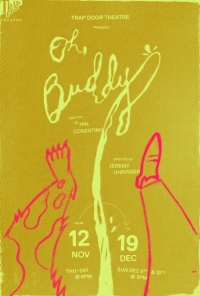
Trap Door Theatre Presents the World Premiere of OH, BUDDY, by Hal Cosentino. Opening November 12th, 2026
14 October 2026 in Upcoming TheatreTrap Door Theatre is thrilled to continue its 33rd season with a Chicago Premiere of Oh, Buddy, written by Hal…

Announcing the Cast of the 49th A CHRISTMAS CAROL
14 October 2026 in Upcoming TheatreTis the season, in spite of today's unseasonable temps, as A Christmas Carol begins rehearsals for The Goodman's 49th annual…

NOVA ENTERTAINMENT CURRENT AND UPCOMING 2026 CIRCA PINTIG UPDATES
14 October 2026 in Now PlayingNova Entertainment is pleased to announce the upcoming performance schedule and updates for CIRCA Pintig, with a visual rebrand and…

Steppenwolf Theatre Announces "ha ha ha ha ha ha ha" January 13 – February 7, 2027
14 October 2026 in Upcoming TheatreThe blurb is: hahahahahahahahahaha hahahahahahaha hihihi hahahahahahaha hoho hahahhahaha hehe hahahahahahahahahaha. Julia Masli's award-winning solo phenomenon ha ha ha ha…

'Sanctuary Stories' Ventures Into Emotional Drama Behind the News on Immigration
13 October 2026 in Theatre in ReviewSanctuary Stories plumbs the line between theater and journalism, and the powerful human dramas both can depict. Funded by a Northwestern…
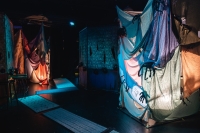
Inside Six Strange Worlds: Exquisite Corpse VI: LULLABIES
13 October 2026 in Theatre in ReviewFor its sixth Halloween season, Rough House Theater Co. has transformed Steppenwolf’s Merle Reskin Garage into a spectacular puppet haunted…
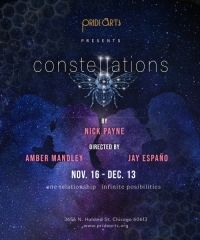
PrideArts announces cast and production teams for Nick Payne's CONSTELLATIONS, performed by alternating same-sex casts, November 13- December 13
12 October 2026 in Upcoming TheatreThursdays – Saturdays at 7:00 pm, Sundays at 3 pm Additional Saturday matinees at 3:00 pm on November 28 and December…
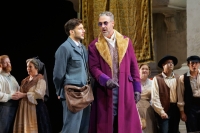
Robert Falls Directs a Sinfully Satisfying Don Giovanni at Lyric Opera of Chicago
11 October 2026 in Theatre in ReviewLet he without sin cast the first stone, Lyric’s “Don Giovanni” seemingly says when they bring up the house lights…

Teatro Vista Productions in collaboration with Audible presents Cafecito & Loops: A Mexodus Listening Tour Headed South Sundays, through November 1st
11 October 2026 in Now PlayingTeatro Vista Productions (TVP), the Midwest's only Latine-led Equity theatre company, in collaboration with Audible, presents Cafecito & Loops: A…
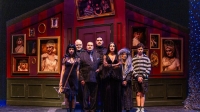
BrightSide’s Addams Family Musical Revives the Wonderfully Weird World of the Addams Clan
10 October 2026 in Theatre in ReviewThey're creepy and they're kooky, Mysterious and spooky, They're altogether ooky, The Addams Family. Yes, ooky. BrightSide Theatre’s production of…
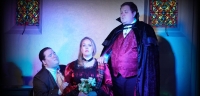
Chicago City Opera Delivers a Rare Operatic Haunting with Der Vampyr
08 October 2026 in Theatre in ReviewWith Halloween creeping closer, there’s something fitting about revisiting one of opera’s earliest flirtations with macabre horror - especially in…

Avalanche Theatre stages the world premiere of They Broke Up by Skyler Tarnas November 6–22, 2026
08 October 2026 in Upcoming TheatreAvalanche Theatre announces the world premiere production of They Broke Up by Chicago playwright Skyler Tarnas, November 6–22, 2026. Opening…

Oil Lamp Theater Announces the cast and creative team for the return of IT'S A WONDERFUL LIFE: A LIVE RADIO PLAY, Nov. 20 - Dec. 27
08 October 2026 in Upcoming TheatreOil Lamp Theater is proud to announce the cast and creative team for its next production and the final production…

Adults-only holiday fun: Who's Holiday! brings R-rated Cindy-Lou Who back to Theater Wit for her sixth year, Nov. 27-Dec. 27
08 October 2026 in Upcoming TheatreChristmas Day is in our grasp. Why the vodka? Glad you asked! Who's Holiday! brings R-rated Cindy-Lou Who back to…
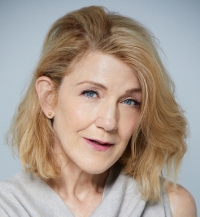
Two-Time Tony Award-Winning Actress Victoria Clark To Receive the Sarah Siddons Society Award at Annual Benefit on Monday, November 9, 2026
08 October 2026 in Theatre BuzzThe Sarah Siddons Society is pleased to present its 2026 Award to actress and director Victoria Clark, who recently starred…
Goodman's Dead Girl’s Quinceañera: When Fifteen Meets the Adult World
07 October 2026 in Theatre in ReviewAt fifteen, the world can feel like a television show you haven't quite figured out how to turn off. For…

Steppenwolf Theatre's ADIRONDACK CHAIR CIRCLE In Rehearsal – Playing October 22 – December 6, 2026 – World Premiere!
07 October 2026 in Upcoming TheatreSteppenwolf Theatre Company, the nation's premier ensemble theater company, is pleased to launch its 51st Season with the world premiere of…
Hell in a Handbag Productions Announces 25th Anniversary Season!
07 October 2026 in Upcoming TheatreHell in a Handbag Productions is thrilled to announce its 25th Anniversary Season, featuring three "camptacular" shows guaranteed to delight lovers of…
Chicago’s Theater Wit introduces new Watchword closed captioning system, dramatically improving access in all three of its theaters
07 October 2026 in Theatre BuzzChicago’s Theater Wit is now offering new, state-of-the-art closed captioning service, marking a dramatic improvement in making live theater more…

Paramount Theatre’s reimagined A Christmas Carol promises to be a dazzling new, all-ages spectacle for Chicago’s holiday theater season, November 11-January 3
07 October 2026 in Upcoming Theatre“God bless us, everyone,” because there’s a fresh, new, reimagined version of Charles Dickens’ classic tale A Christmas Carol debuting…
"John C. Reilly is Mister Romantic" Returns to Steppenwolf Theatre - December 10 – 13, 2026
06 October 2026 in Upcoming TheatreFollowing last year's critically acclaimed, sell-out engagement, Steppenwolf Theatre Company is pleased to announce the return of John C. Reilly…

Saint Sebastian Players Open 45th Season With A Murder Is Announced by Agatha Christie Classic Miss Marple Mystery Runs Oct. 23–Nov. 15
06 October 2026 in Upcoming TheatreThe Saint Sebastian Players open their 45th season of travels to different places with A Murder is Announced, a classic Miss Marple mystery…

Announcing "The Goodman, For Good" Campaign
06 October 2026 in Theatre BuzzToday, Goodman Theatre raises the curtain on its future as leadership and artists share a vision for its next century…

Two Edge Theater Company to stage A VIEW FROM THE BRIDGE as its inaugural Chicago production, December 4 through January 10
05 October 2026 in Upcoming TheatreTwo Edge Theater, a reincarnation of the Edge Theater Company that enjoyed eight successful seasons in the Denver, Colorado area,…
Frankenstein at Studebaker Theater adds performances for Halloween run
05 October 2026 in Upcoming TheatreChicago's historic Fine Arts Building and Studebaker Theater are thrilled to announce their Halloween co-production of Manual Cinema's acclaimed Frankenstein…

ANY REBELLION OF WILL - Trap Door Theatre - Through November 1st
05 October 2026 in Now PlayingTrap Door Theatre is thrilled to continue its 33rd season with Any Rebellion of Will, written by S.L. Daniels and…




Latest Articles
-
 “A Strange Loop” Lets the Intrusive Thoughts Win at Raven Theatre in partnership with About Face Theatre
Written by John AccroccoA musical, but it’s just the voices in your head. Sounds just crazy enough to win the 2020 Pulitzer for Drama. “A Strange Loop” by Michael R. Jackson finally makes its Chicago premiere at Raven Theatre in a co-production with…
“A Strange Loop” Lets the Intrusive Thoughts Win at Raven Theatre in partnership with About Face Theatre
Written by John AccroccoA musical, but it’s just the voices in your head. Sounds just crazy enough to win the 2020 Pulitzer for Drama. “A Strange Loop” by Michael R. Jackson finally makes its Chicago premiere at Raven Theatre in a co-production with… -
 Announcing Goodman's 22nd New Stages 2026 Festival Line-Up
Written by Buzz Center StageFrom a "Kung Fu rom-com" to a witchy new musical, The Goodman's popular New Stages Festival in its 22nd year continues to offer a first glimpse at the latest works by a handful of the hottest contemporary playwrights. This year's four-play…
Announcing Goodman's 22nd New Stages 2026 Festival Line-Up
Written by Buzz Center StageFrom a "Kung Fu rom-com" to a witchy new musical, The Goodman's popular New Stages Festival in its 22nd year continues to offer a first glimpse at the latest works by a handful of the hottest contemporary playwrights. This year's four-play… -
Chicago Danztheatre Ensemble Announces 2026-2027 Season
Written by Buzz Center StageChicago Danztheatre Ensemble (CDE) is pleased to announce its 2026 - 2027 season. CDE will open this artistic season with Copestic Vibrations: A Music Festival, Friday, Nov. 13 and Saturday, Nov. 14, followed by a fully staged production of For…
-
Eos Theatre Company Announces Second Production with The Thin Place
Written by Buzz Center StageEos Theatre Company is pleased to announce their second production with Lucas Hnath's horror play The Thin Place, directed by JC Clementz (Steppenwolf's Director of Casting and Artistic Operations), playing February 5 - 28, 2027 in Bramble Arts Loft's Beatrice Theater, 5545 N…


Does your theatre company want to connect with Buzz Center Stage or would you like to reach out and say "hello"? Message us through facebook or shoot us an email at This email address is being protected from spambots. You need JavaScript enabled to view it..
*This disclaimer informs readers that the views, thoughts, and opinions expressed in the text belong solely to the author, and not necessarily to Buzz Center Stage. Buzz Center Stage is a non-profit, volunteer-based platform that enables, and encourages, staff members to post their own honest thoughts on a particular production.